Europe's most active volcano may have a secret origin
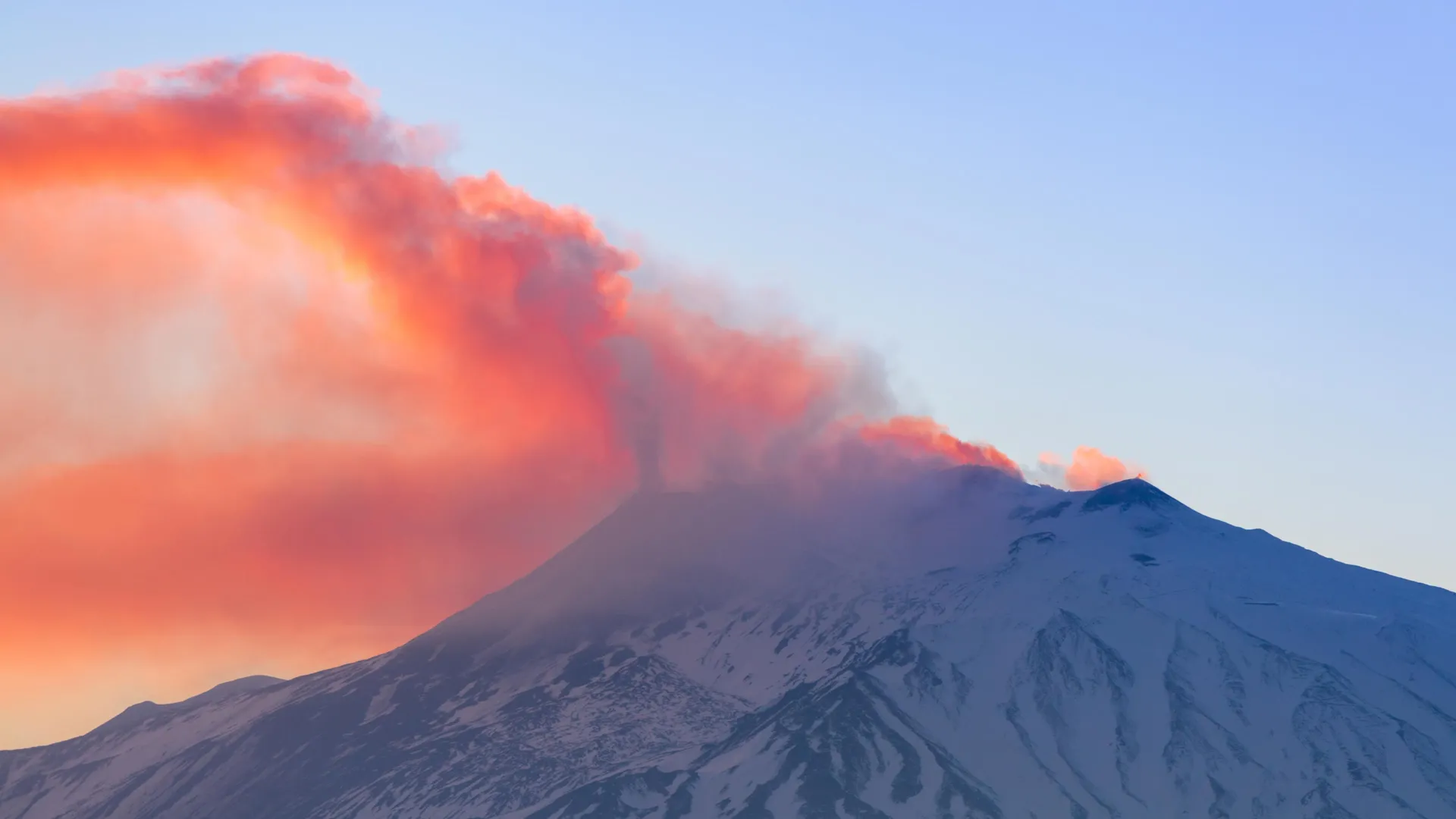
Mount Etna has long puzzled geologists because it doesn't fit any of the three classic ways volcanoes are thought to form. A new study suggests it may instead be fueled by ancient pockets of magma that are pushed upward through cracks created by shifting tectonic plates. If confirmed, Etna could belong to a rare fourth category of volcano, revealing that much larger volcanoes can form through processes previously associated only with small submarine eruptions.
The science section covers breakthroughs in medicine, physics, biology, and technology. We surface discoveries that expand what humanity can do, from new treatments reaching clinical trials to engineering feats that seemed impossible a decade ago. Every link goes to the original publisher so you can read the full study or press release yourself.
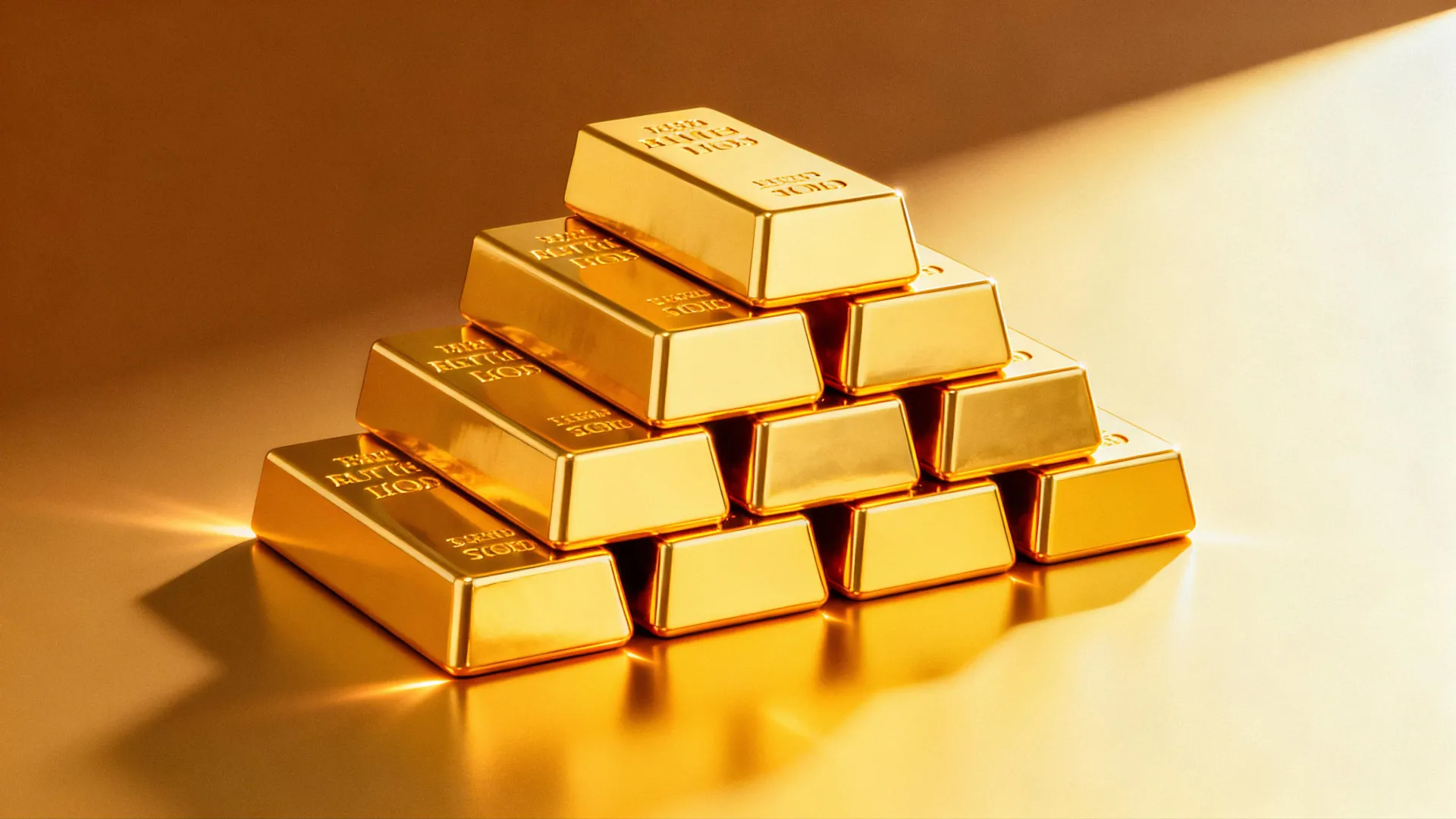
Gold may have a secret self-defense system that helps it resist tarnishing. Researchers discovered that atoms on gold su…
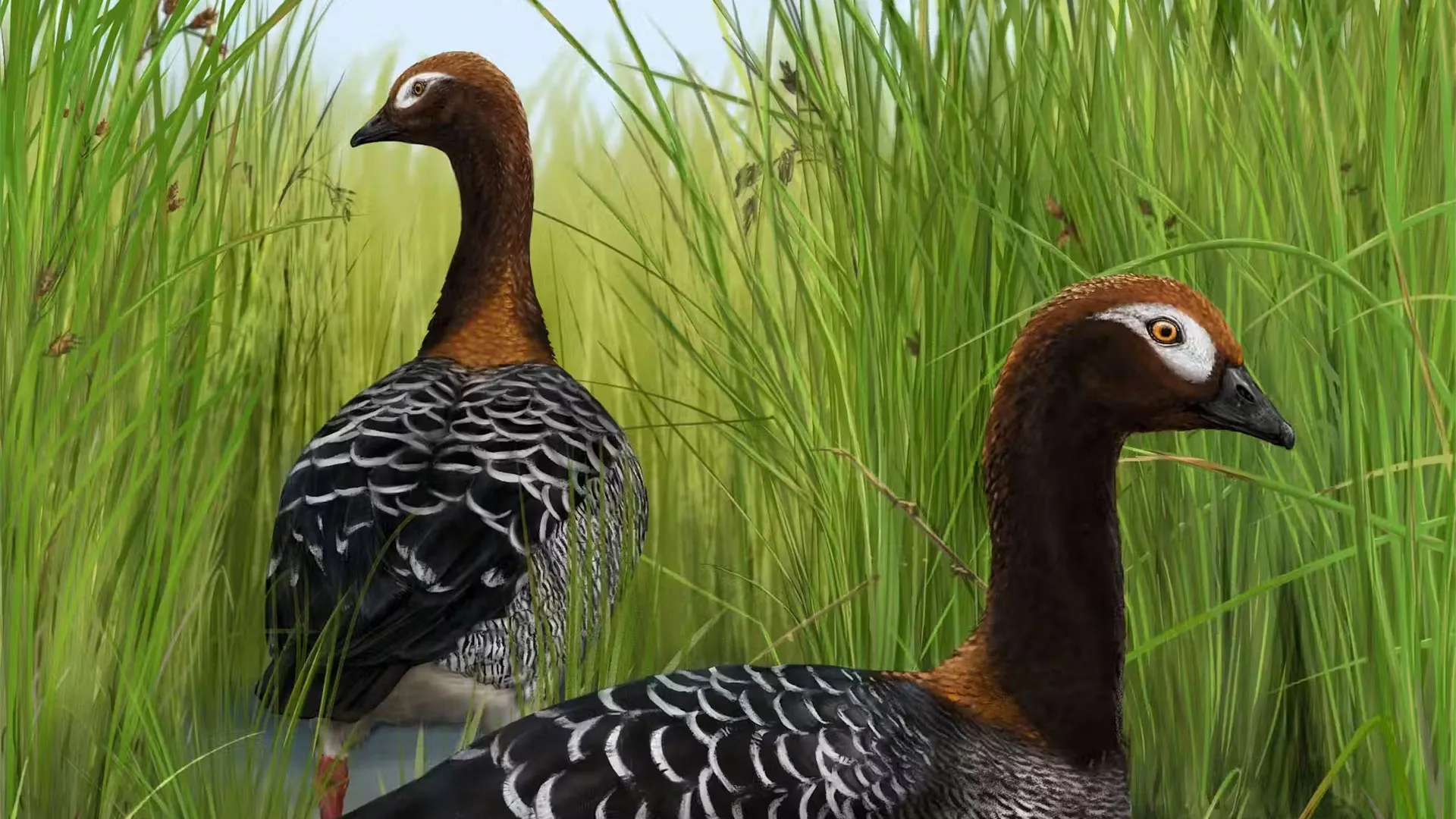
Scientists have discovered a previously unknown fossil goose that challenges a decades-old theory about the evolution of…

More than half a century ago, Sir Roger Penrose envisioned a scenario in which energy could be extracted from a black ho…

The molecular machinery that normally builds proteins inside cells has now taken on a new role as a "switch." A research…