Decoding the loopy physics of hula hooping with high-tech earthquake sensors

Scientists have been studying the physics of hula hooping because its motion is more complex than initially thought. Researchers used high-tech earthquake sensors to analyze the movements of a hula hoop in mid-air. The study aimed to understand how the hoop remains stable despite gravity's pull.
Why it's good news: This discovery can help us better understand and apply the principles behind hula hooping to other areas, potentially leading to new innovations.
The science section covers breakthroughs in medicine, physics, biology, and technology. We surface discoveries that expand what humanity can do, from new treatments reaching clinical trials to engineering feats that seemed impossible a decade ago. Every link goes to the original publisher so you can read the full study or press release yourself.
If today's breakthrough story sparked something, a live 1-on-1 tutor can take you from curious to competent. First lesson guaranteed or your money back.
Try Preply free →
A young student used his free time to create toys for kids in Kenya using a 3D printer, demonstrating initiative and com…

A 17-year-old high school student created an organization that focuses on providing support without requiring individual…
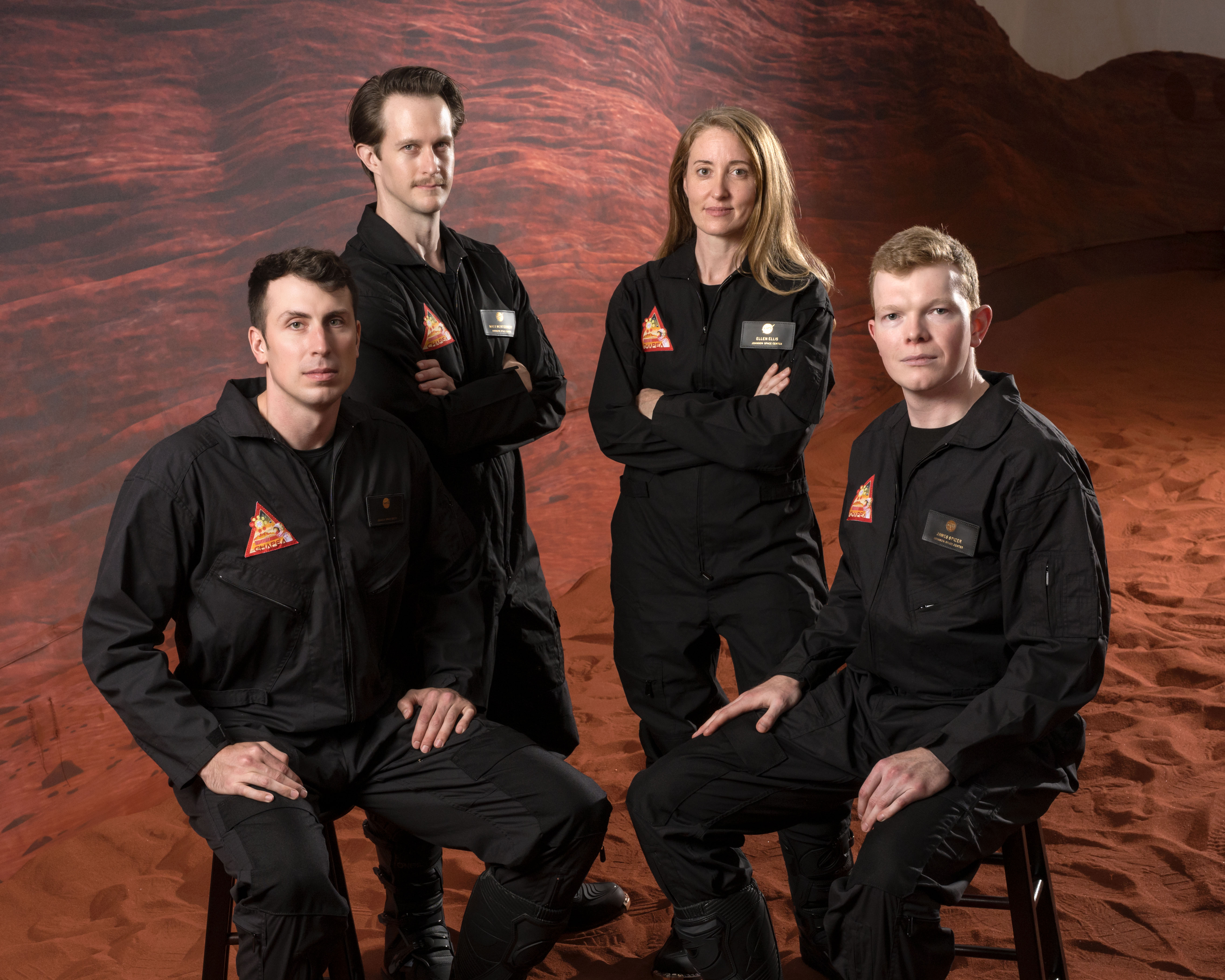
Four NASA volunteers have completed a yearlong Mars simulation at the Johnson Space Center in Houston, after 378 days of…
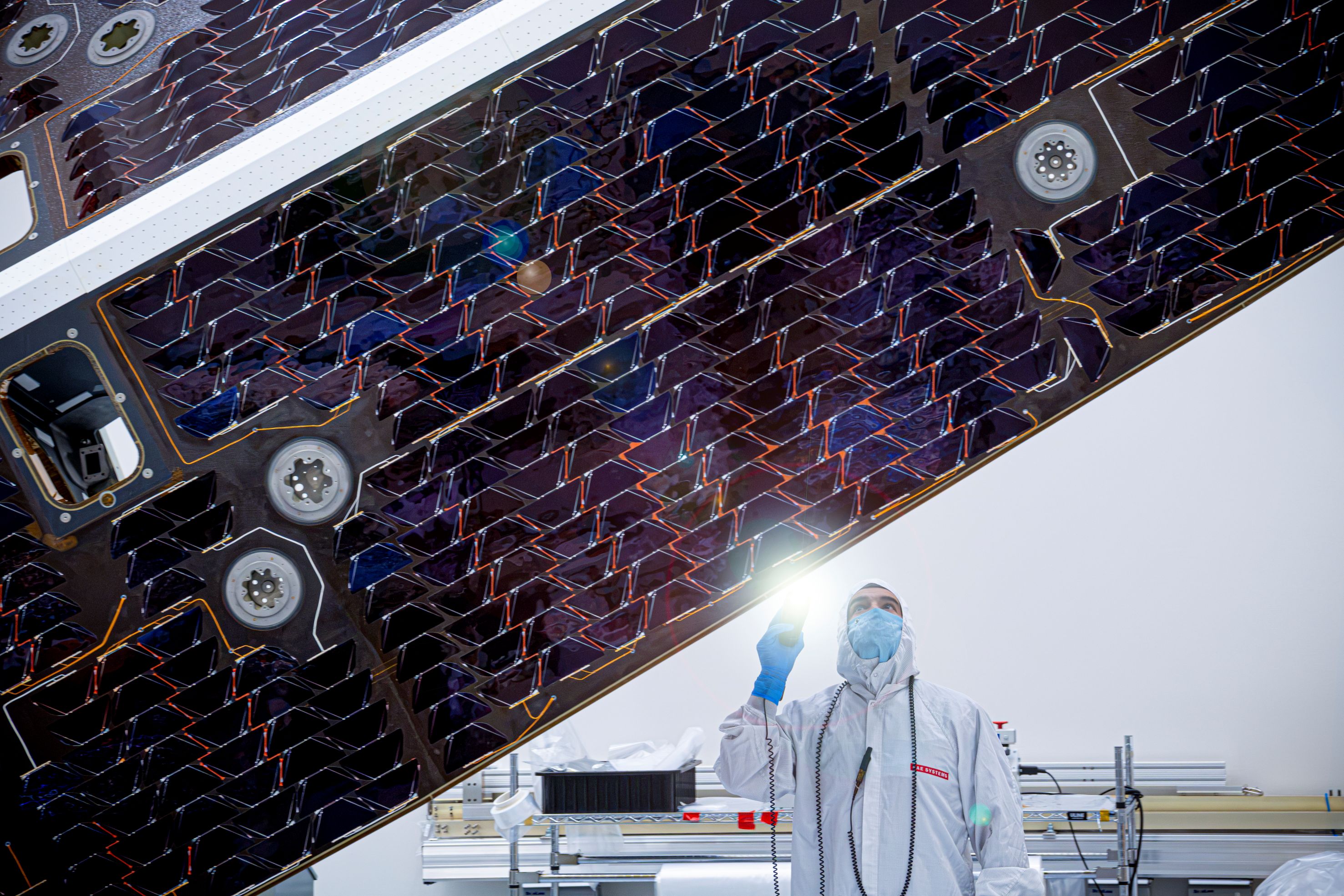
NASA's Near-Earth Object Surveyor mission has a large sunshade that will keep its infrared telescope cool while searchin…
Most news feeds won't give you another one. Our morning letter will: one email at sunrise with the day's best good news.
Start tomorrow morning →