Why one famous predator shrank two ways: Fossils reveal distinct growth strategies in early Permian Dimetrodon

The sail-backed predator Dimetrodon is one of the most iconic animals of the early Permian-long before dinosaurs dominated Earth. Most known species of this early relative of mammals reached large body sizes, sometimes up to 3 meters (10 feet) in length and 250 kilograms (550 pounds). Yet some species remained surprisingly small. A new study by an international research team led by Dr. Aurore Canoville of the Friedenstein Stiftung Gotha and the Museum für Naturkunde Berlin now shows that these s
The science section covers breakthroughs in medicine, physics, biology, and technology. We surface discoveries that expand what humanity can do, from new treatments reaching clinical trials to engineering feats that seemed impossible a decade ago. Every link goes to the original publisher so you can read the full study or press release yourself.
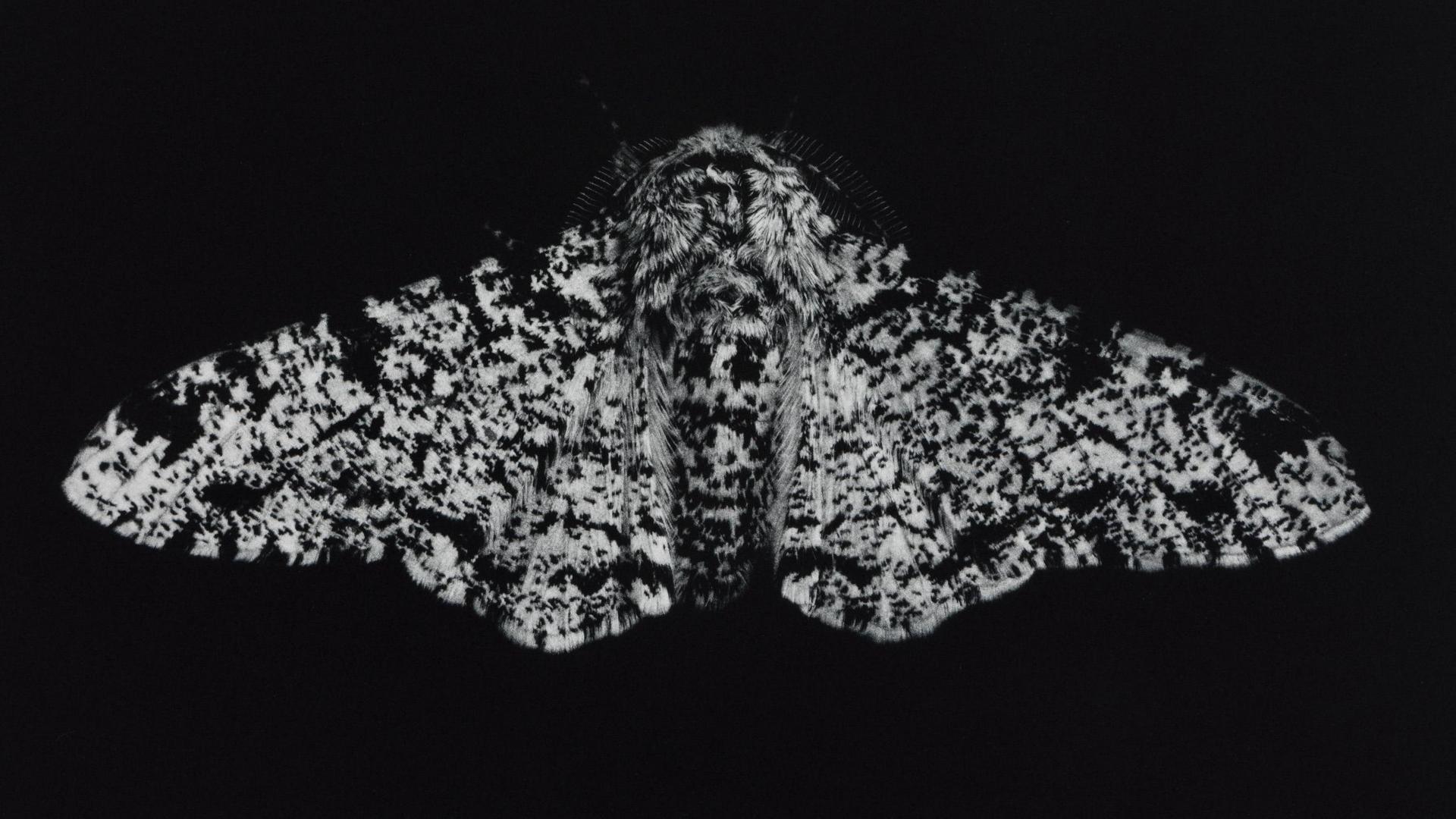
An exhibition examining how moths adapt to environmental changes has opened in Kestle Barton.

Scientists have discovered that a gene normally considered a DNA-protecting "good guy" can become dangerous when cells m…

A surprising new study suggests the earliest primates didn't originate in tropical forests but in cold, dry parts of Nor…

Genes are not passed on exclusively from parents to their offspring. Some are mobile and can also jump to other species,…