What powered the Earth's earliest life?

Early biological systems likely relied on RNA molecules to copy themselves and drive simple chemical reactions. Any system that could generate guanosine-triphosphate (GTP)-which is necessary for RNA synthesis-from prebiotic chemicals would gain a crucial advantage toward self-replication. Now, researchers from the University of California San Diego report a version of an RNA enzyme (ribozyme) that makes GTP synthesis more efficient than its predecessor.
The science section covers breakthroughs in medicine, physics, biology, and technology. We surface discoveries that expand what humanity can do, from new treatments reaching clinical trials to engineering feats that seemed impossible a decade ago. Every link goes to the original publisher so you can read the full study or press release yourself.
What if some black holes aren’t black holes at all? A new theoretical study suggests that when a massive star collapses,…
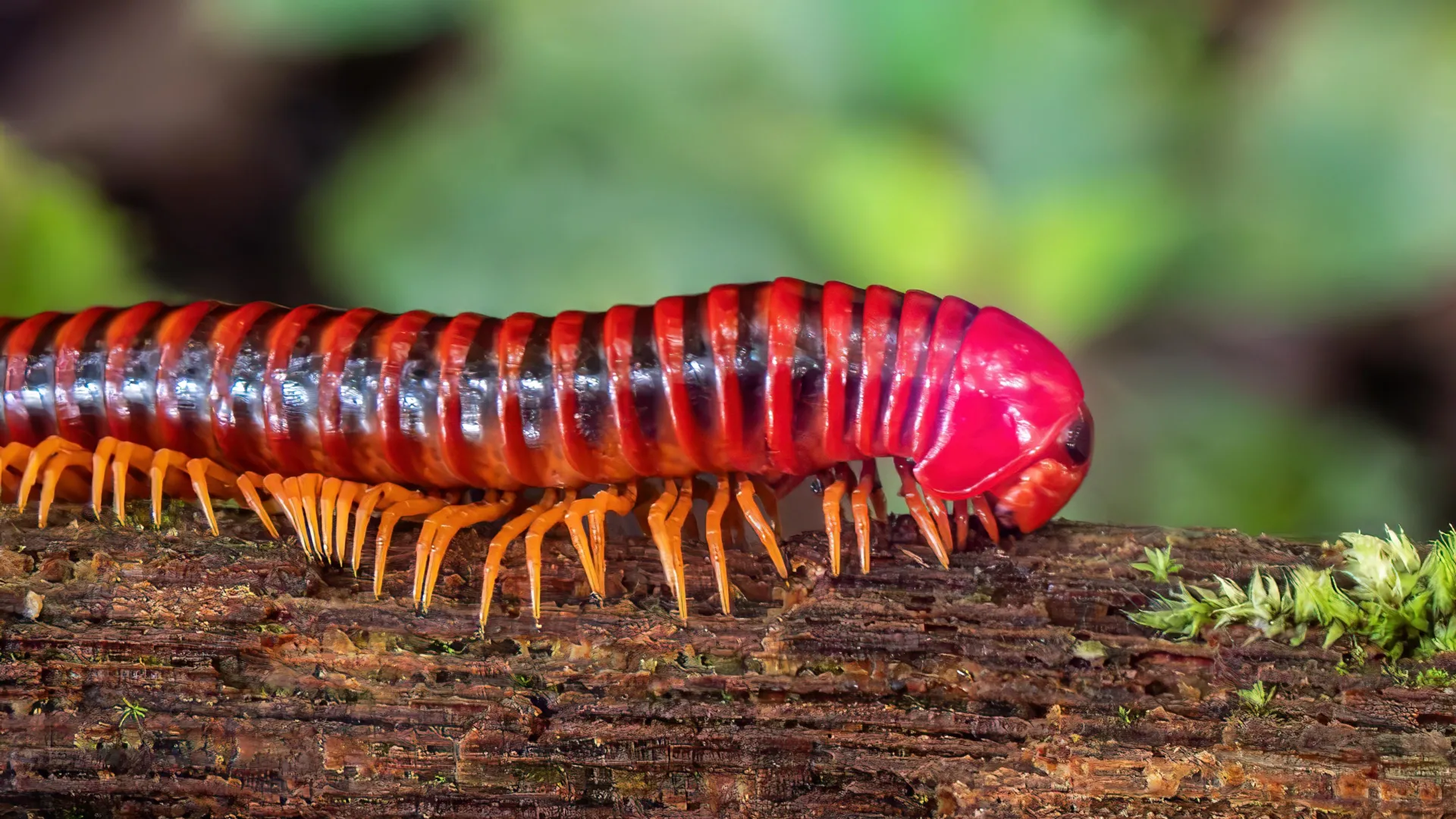
Millipedes may have been crawling across Earth's landscapes nearly 460 million years ago, long before vertebrates ventur…
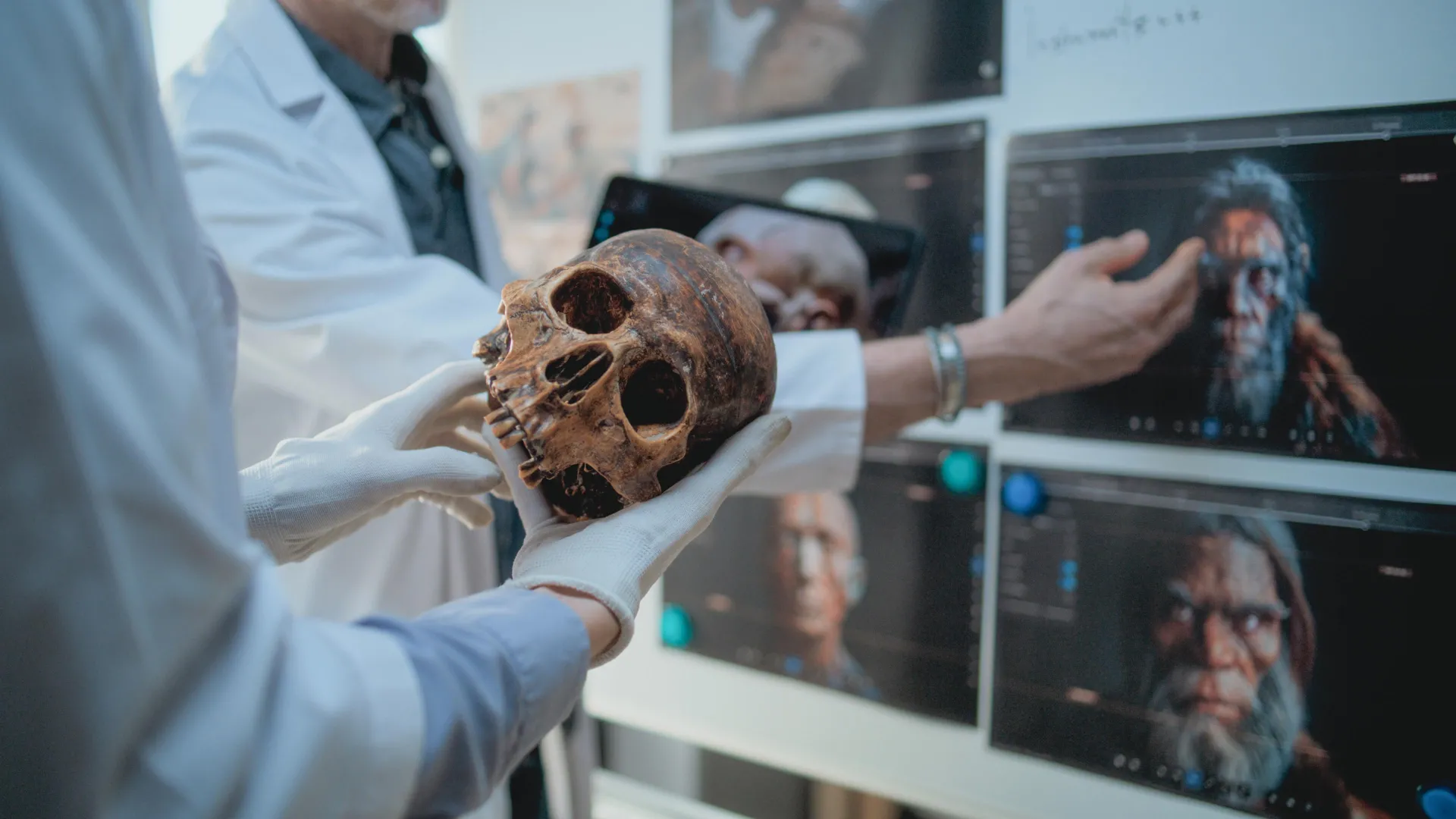
Ancient encounters between humans and the mysterious Denisovans are still shaping people today. By analyzing genomes fro…

Citizen science data from the popular platform iNaturalist has helped uncover the evolution of parental guarding behavio…