Unique chromium beam experiment unlocks cosmic ray origins and galactic chemistry

When a star dies, it generates an explosion of elemental nuclei and hurls them into space. Those elements, called cosmic rays, travel at nearly the speed of light, and eventually some of them encounter manmade detectors. Recording how many of each of these elements show up helps scientists better understand cosmic processes-but despite incredible research advances over the last century, uncertainty around how these elements transform as they travel across the light-years has left fundamental que
The science section covers breakthroughs in medicine, physics, biology, and technology. We surface discoveries that expand what humanity can do, from new treatments reaching clinical trials to engineering feats that seemed impossible a decade ago. Every link goes to the original publisher so you can read the full study or press release yourself.
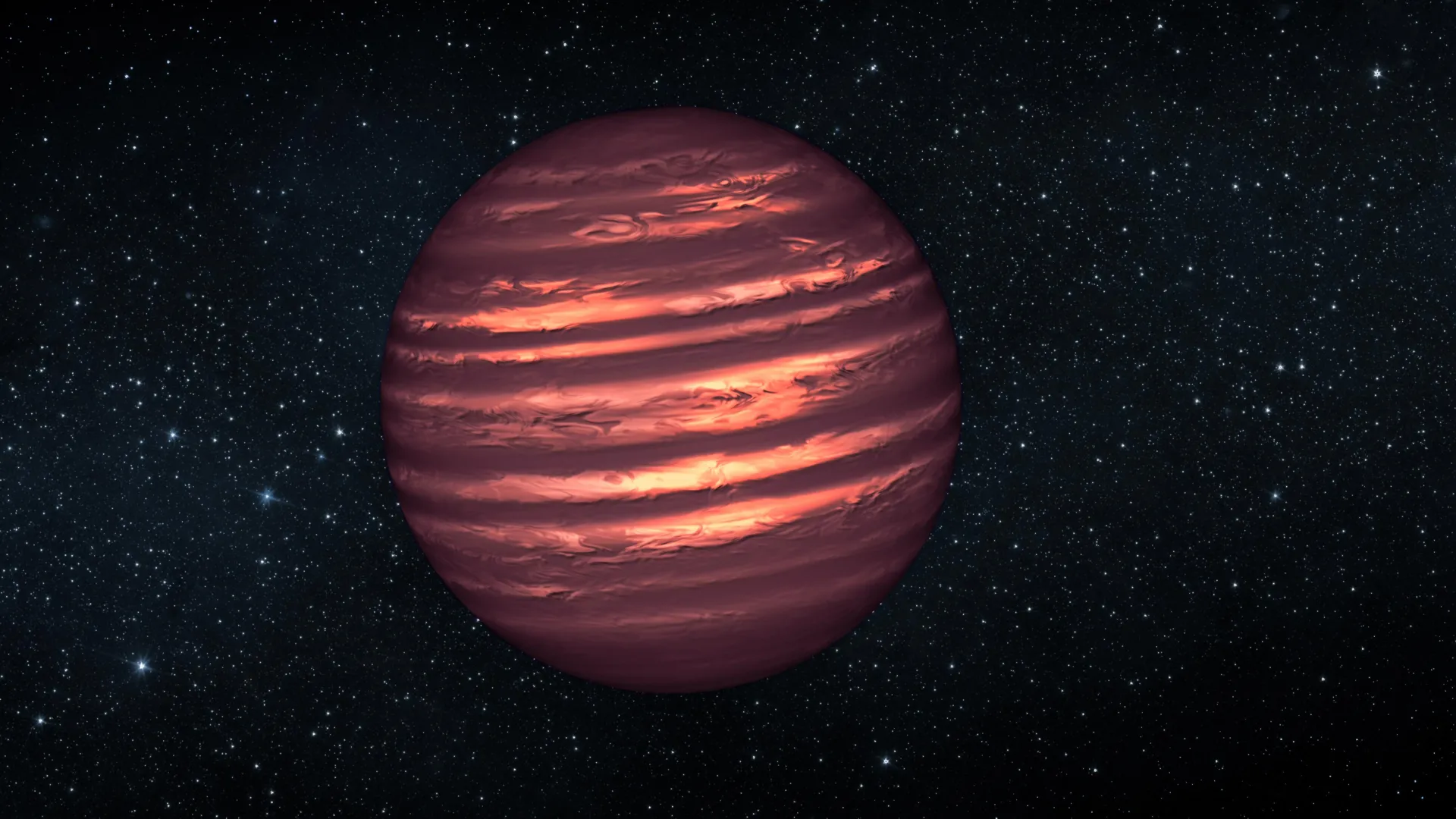
Using the Keck Observatory, astronomers measured the spins of dozens of giant planets and brown dwarfs orbiting distant …

A three-year study of nearly 4,000 adults ranging from age 19 to 94 found that brain health can improve at any age, chal…

Learning a musical instrument later in life may help keep the brain younger for longer. In a four-year study, older adul…
A bold claim that the universe’s accelerating expansion was an illusion has been put to the test-and failed. Researchers…