This tiny jurassic predator helped pave the way for the human brain

A 165-million-year-old fossil discovery of Megacauda sungei has provided new insights into the evolution of mammals. This tiny Jurassic predator had advanced teeth and specialized swallowing anatomy, which may have helped its descendants develop the ability to nurse on milk safely. Its unique characteristics are significant in understanding mammalian development.
Why it's good news: It sheds light on an important milestone in the evolution of mammals, a group that includes humans.
The science section covers breakthroughs in medicine, physics, biology, and technology. We surface discoveries that expand what humanity can do, from new treatments reaching clinical trials to engineering feats that seemed impossible a decade ago. Every link goes to the original publisher so you can read the full study or press release yourself.
If today's breakthrough story sparked something, a live 1-on-1 tutor can take you from curious to competent. First lesson guaranteed or your money back.
Try Preply free →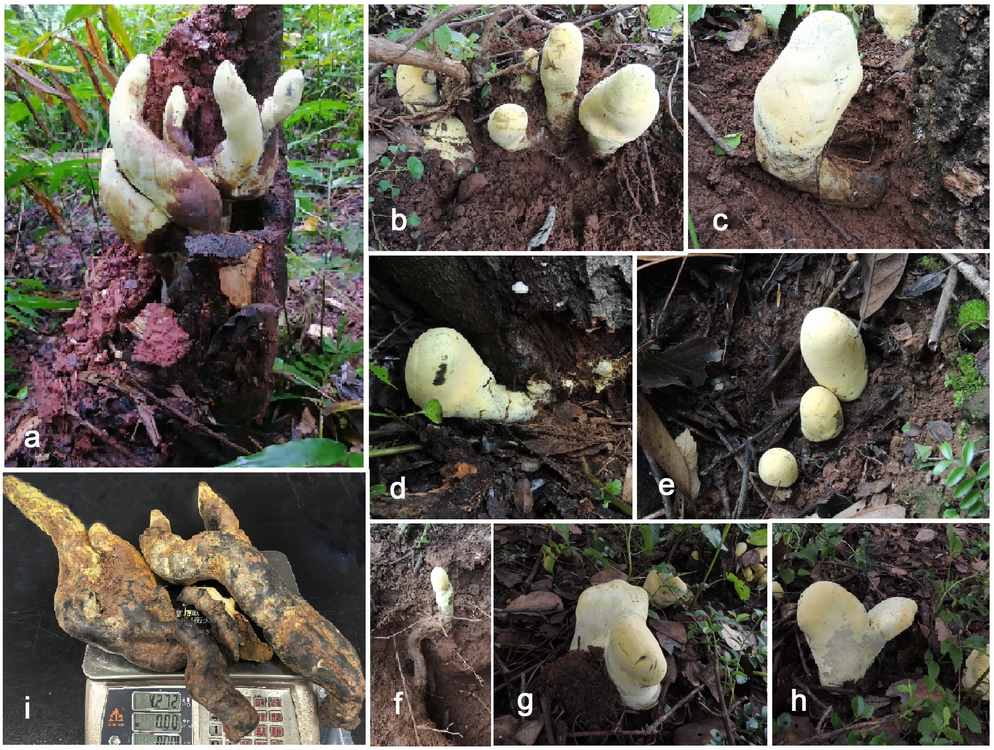
Researchers have found a massive fungus in China that grows up to 20 inches tall and weighs up to five pounds. This enor…



Astronaut Christina Koch has been named Acting Deputy Chief Engineer at NASA. She was previously involved in several of …
Most news feeds won't give you another one. Our morning letter will: one email at sunrise with the day's best good news.
Start tomorrow morning →