The world's biggest solar telescope caught vortexes on the Sun's surface
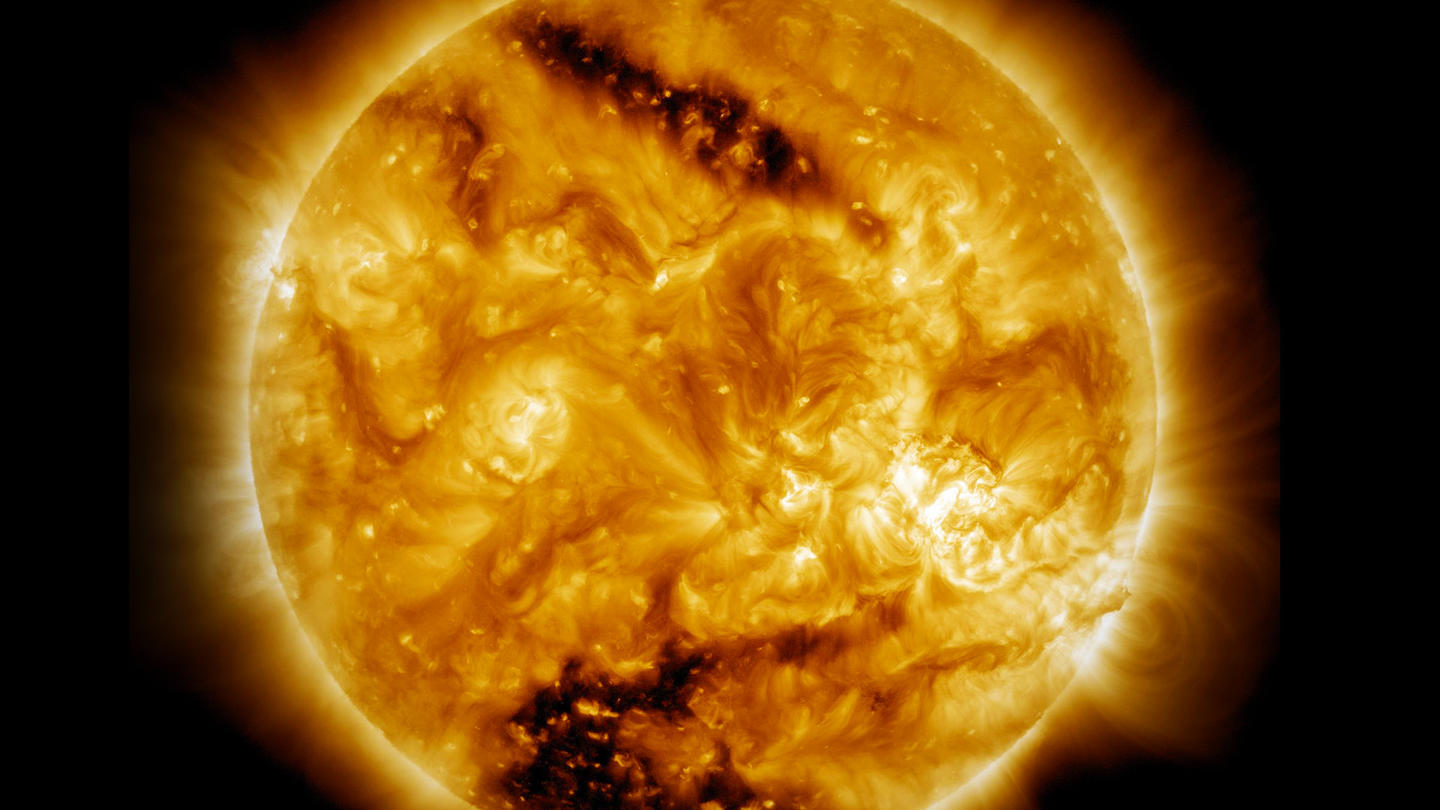
Wherever two fluids slide past each other at different speeds, the boundary between them buckles, then curls, then rolls up into vortexes. It’s called the Kelvin-Helmholtz instability, and the physics behind it was worked out in the late 1860s. We know this instability explains why wind causes ripples on the surface of water and clouds shear into a row of curves. For decades scientists argued the same thing must be happening with plasma on the surface of the Sun, and yet nobody had been able to
The science section covers breakthroughs in medicine, physics, biology, and technology. We surface discoveries that expand what humanity can do, from new treatments reaching clinical trials to engineering feats that seemed impossible a decade ago. Every link goes to the original publisher so you can read the full study or press release yourself.

APOD Science APOD APOD: 2026 August 8 - A… Today’s APOD Archive Submissions Index Search Calendar RSS Education About Di…

APOD Science APOD APOD: 2026 August 7 - … Today’s APOD Archive Submissions Index Search Calendar RSS Education About Dis…
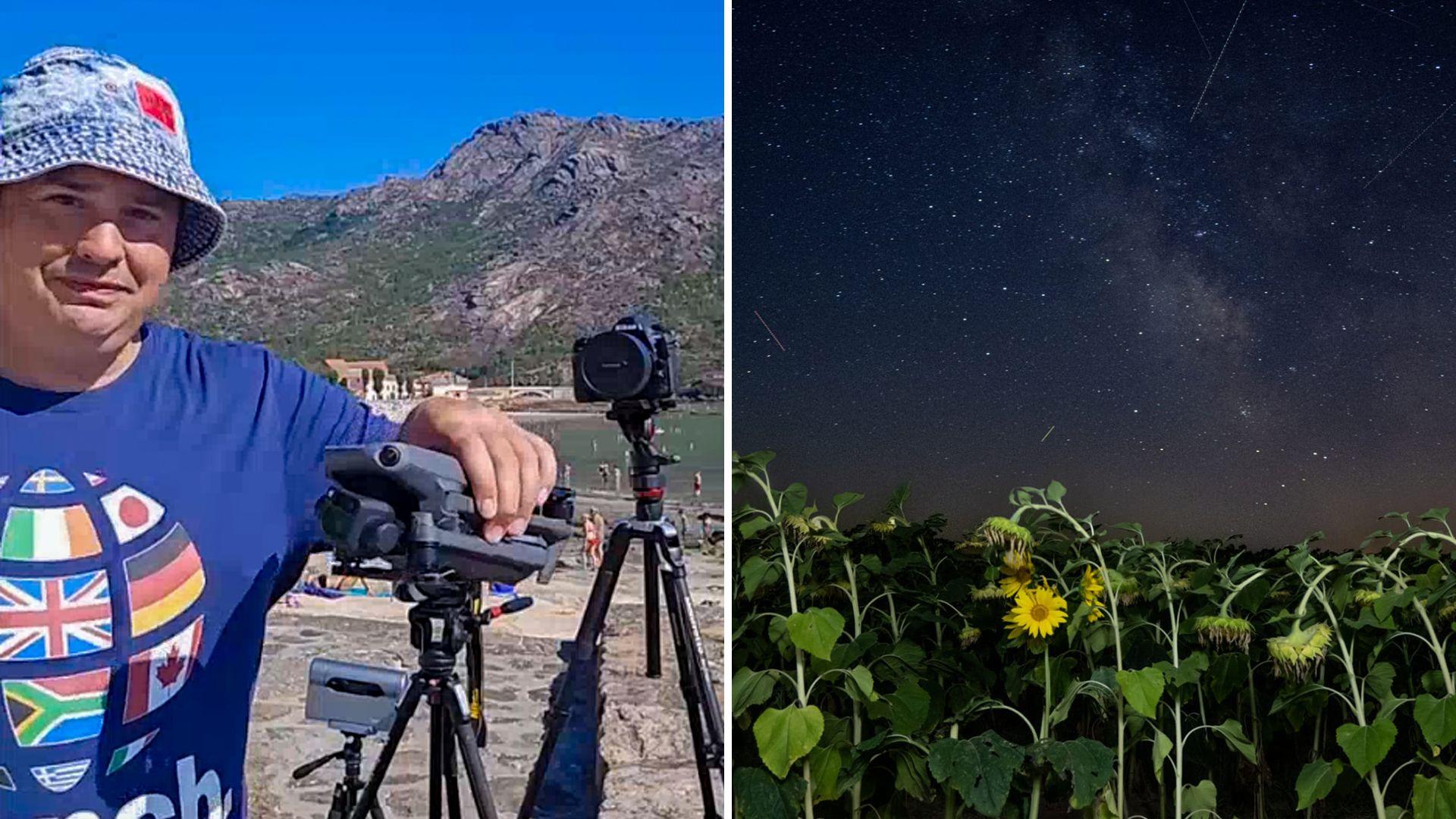
For many, a total solar eclipse is a once-in-a-lifetime experience. But for a dedicated few, it's a deep passion.
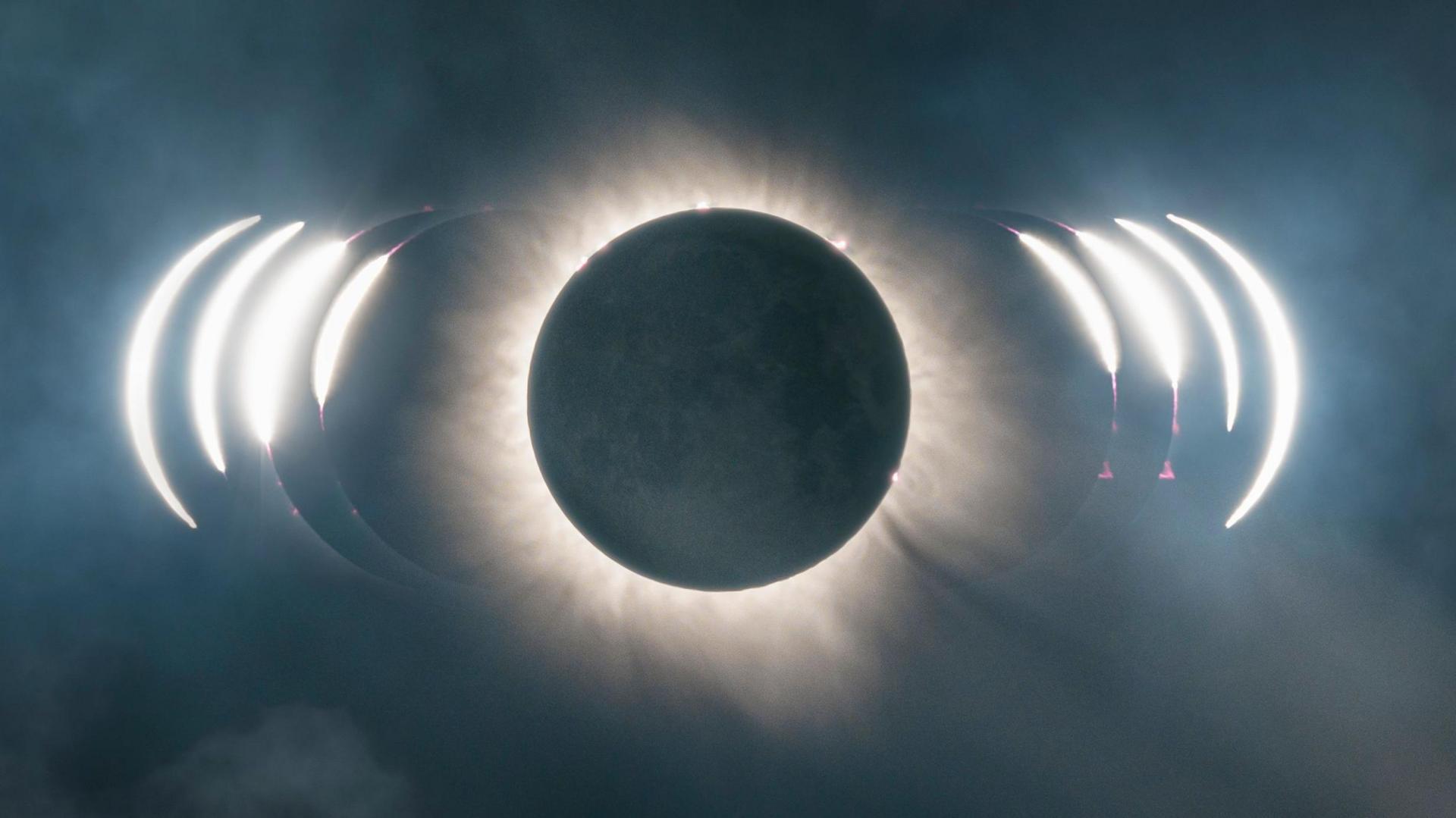
Ways to safely enjoy the partial solar eclipse on Wednesday evening.