The sun’s surface has whirlpools. Here’s why they may be the engine behind space weather.
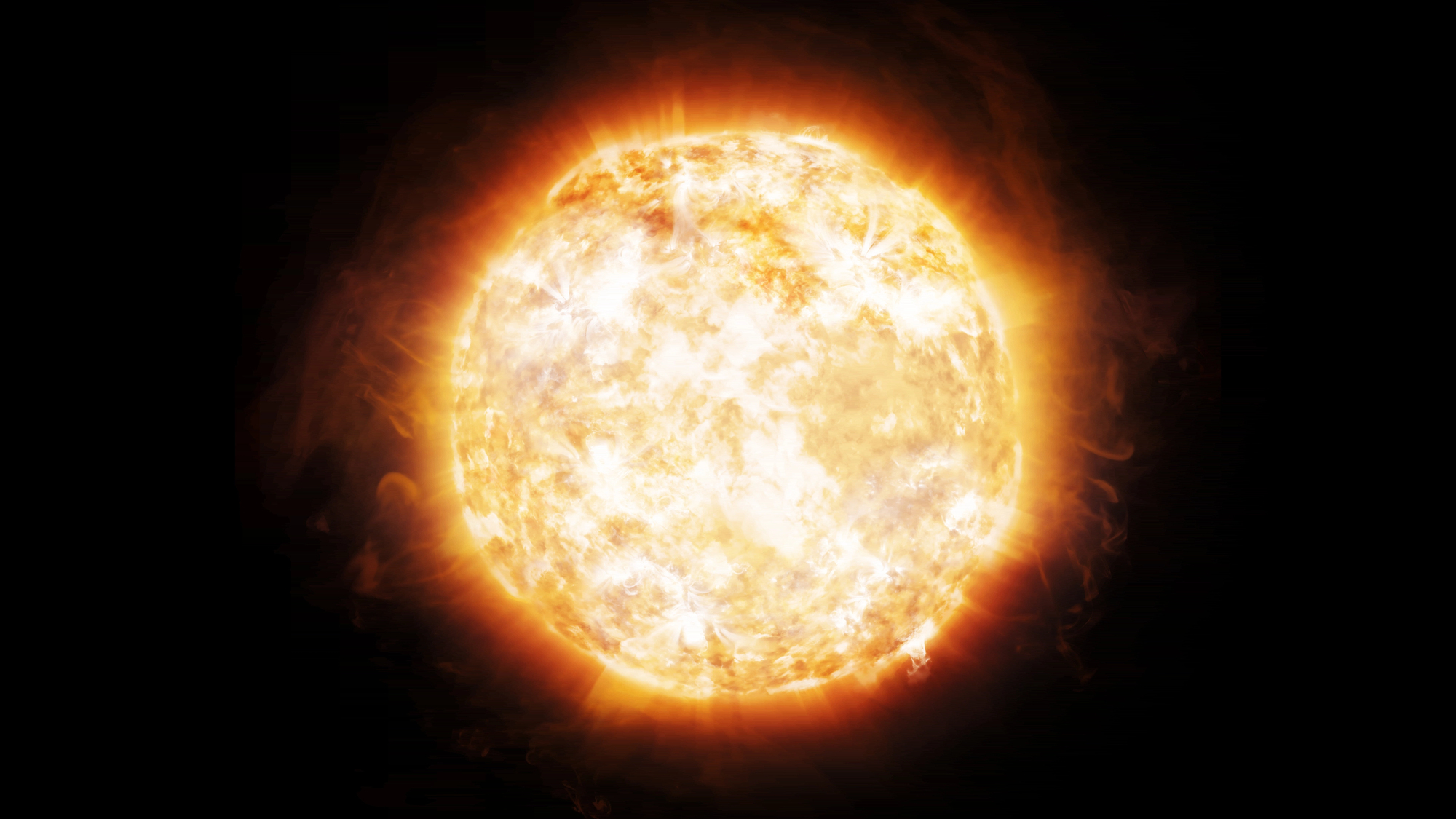
BY THE OPTIMIST DAILY EDITORIAL TEAM There’s something slightly odd about the fact that we’ve had solar telescopes for more than a century and still couldn’t quite see the sun’s surface. We’re already aware of the big stuff: plasma bubbling in convective cells, sunspots forming where magnetic fields bunch up, radiation bursting outward on an 11-year cycle. However, the fine-grained dynamics at the boundaries of magnetic structures were harder to resolve and have always been blurry. The Daniel K.
The science section covers breakthroughs in medicine, physics, biology, and technology. We surface discoveries that expand what humanity can do, from new treatments reaching clinical trials to engineering feats that seemed impossible a decade ago. Every link goes to the original publisher so you can read the full study or press release yourself.
If today's breakthrough story sparked something, a live 1-on-1 tutor can take you from curious to competent. First lesson guaranteed or your money back.
Try Preply free →
APOD Science APOD APOD: 2026 August 15 - … Today’s APOD Archive Submissions Index Search Calendar RSS Education About Di…
Thousands turned out to watch the solar eclipse in the South West; here's what they made of it.

Scientists have uncovered why two seemingly opposite ways of targeting the same brain receptor can both promote weight l…

Fossils collected in Osaka more than 30 years ago have revealed a surprise hiding in plain sight: four previously unreco…
Most news feeds won't give you another one. Our morning letter will: one email at sunrise with the day's best good news.
Start tomorrow morning →