The solar gravitational lens could map white dwarfs and black holes

It feels like every few months we get to report on another academic paper singing the praises of the Solar Gravitational Lens (SGL). Partly, this is due to Dr. Slava Turyshev's astounding productivity in pumping out academic articles, but partly because such a groundbreaking mission has lots of positive aspects-as well as challenges that need to be addressed. A new paper, posted to the arXiv preprint server from Dr. Turyshev, stresses an often overlooked feature of the SGL: how useful it can be
The science section covers breakthroughs in medicine, physics, biology, and technology. We surface discoveries that expand what humanity can do, from new treatments reaching clinical trials to engineering feats that seemed impossible a decade ago. Every link goes to the original publisher so you can read the full study or press release yourself.
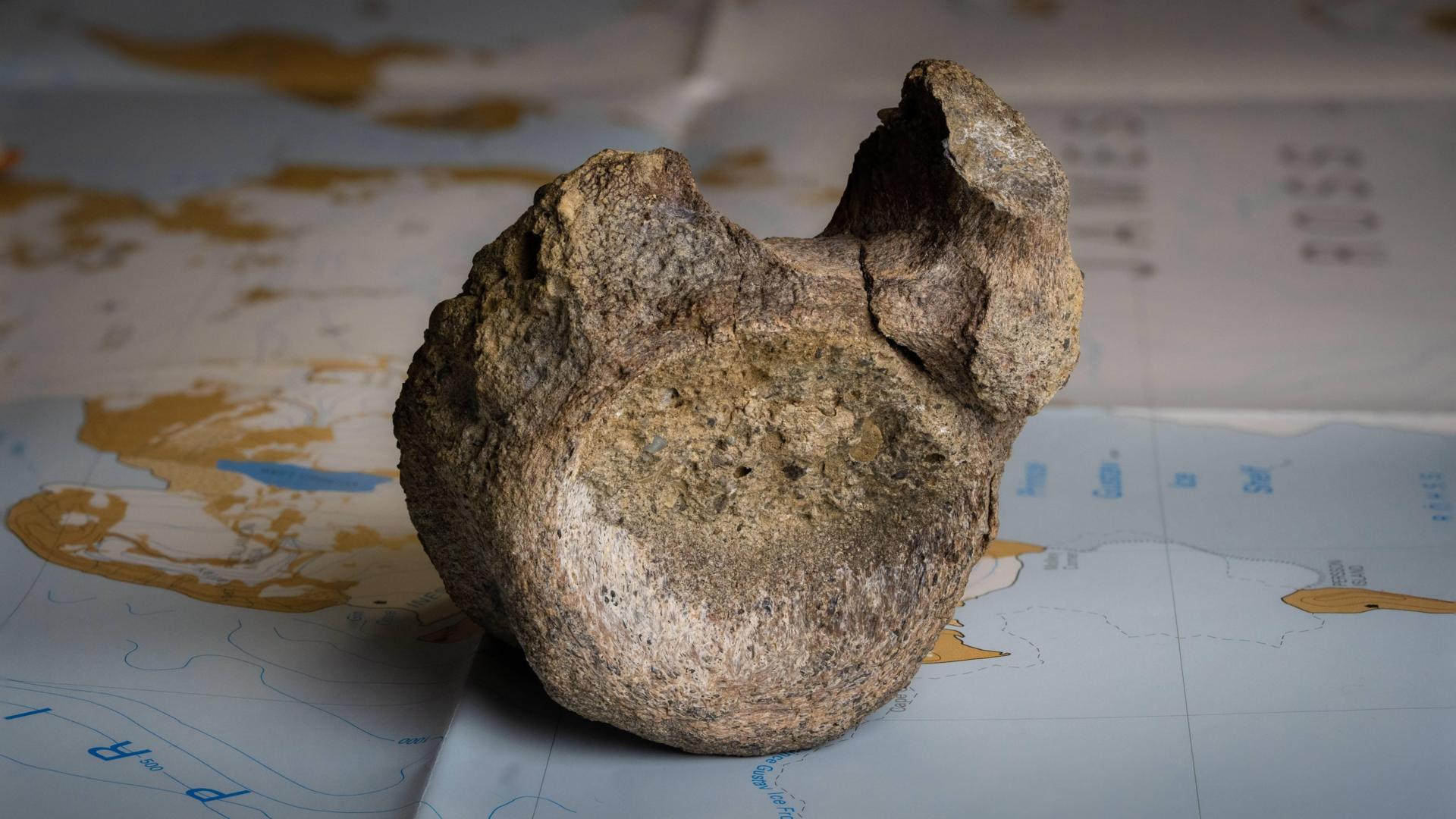
The fossil, collected in Antarctica in 1985, is part of the tail of a beast called a Titanosaur.

The first full Moon of summer will rise across UK skies this week
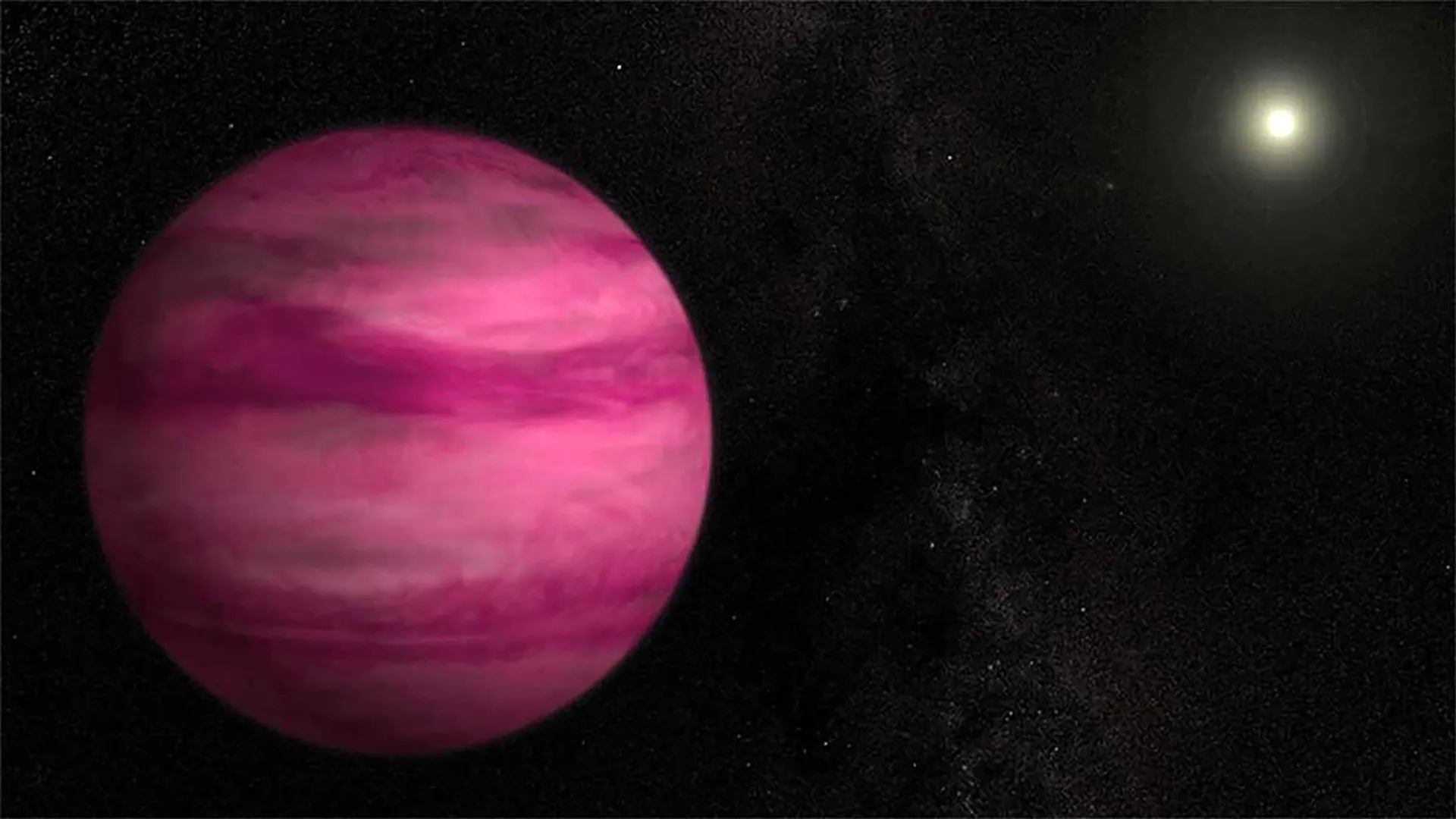
Astronomers have finally cracked the mystery of the famous “Pink Planet,” a strange world 57 light-years away that has p…
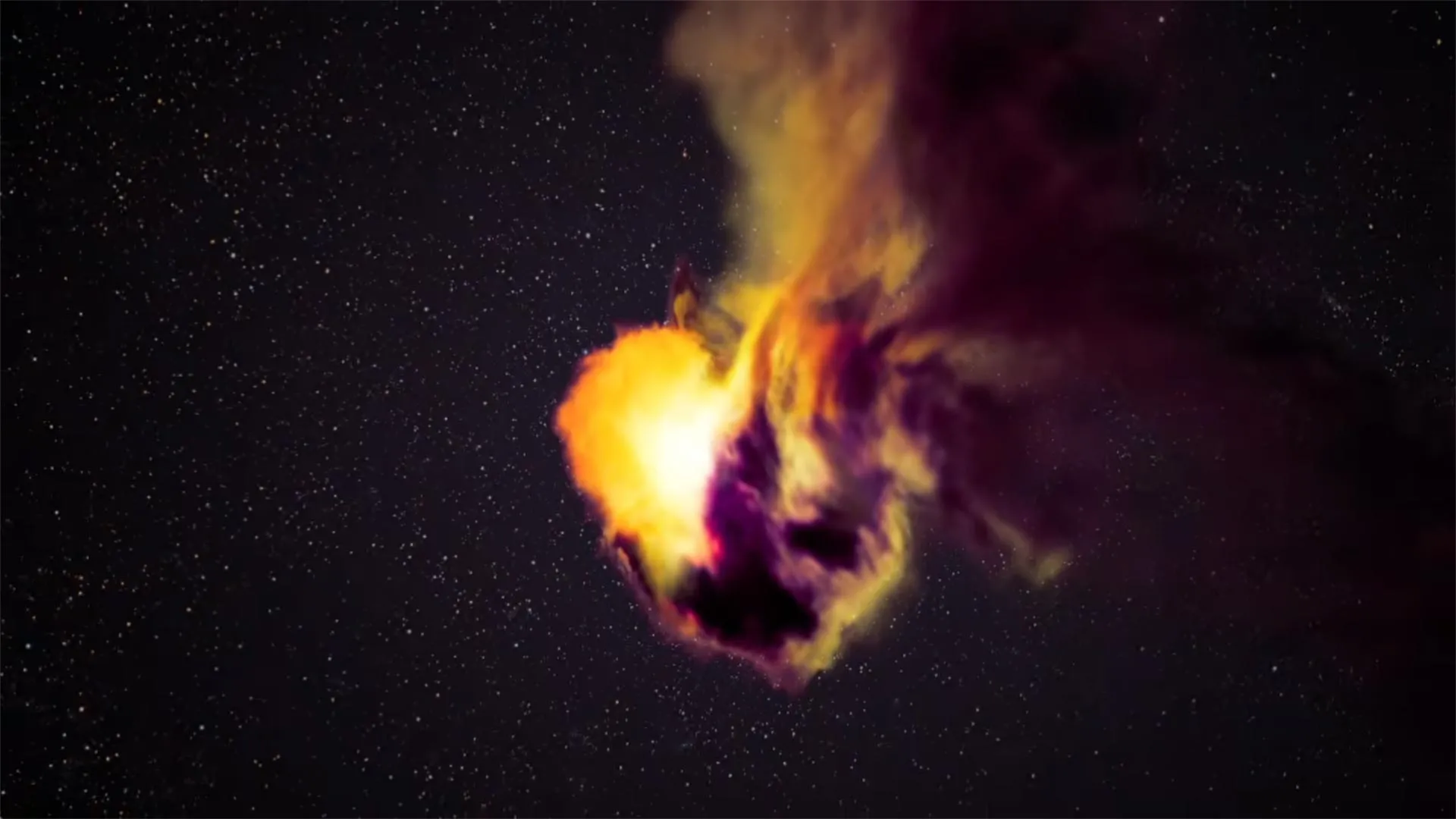
Astronomers studying the rare supernova SN 2021yfj discovered material from one of the deepest layers of a dying star, p…