Smart bioink shields delicate neural cells during precision 3D printing

3D bioprinting allows scientists to build custom tissue structures for medicine, but printing soft tissues like the human brain remains a major challenge. The strong pushing forces required to squeeze biological materials through tiny printer nozzles often crush and damage sensitive cells, leading to low survival rates and weak printed structures.
The tech section covers stories about technology making life better, not just more profitable. Open-source tools reaching new audiences, accessibility breakthroughs, AI applications in healthcare and education, infrastructure improvements that quietly make cities work better. Product launches and funding rounds are excluded unless they deliver tangible public benefit.

Thousands of young people in Gaza are pursuing roles in the digital economy as the territory's wider recovery stalls.
US FAA certifies Boeing 737 MAX 7 in win for planemaker Reuters
DeepSeek's new AI model is by far the cheapest of well-known models to run, research firm says Reuters
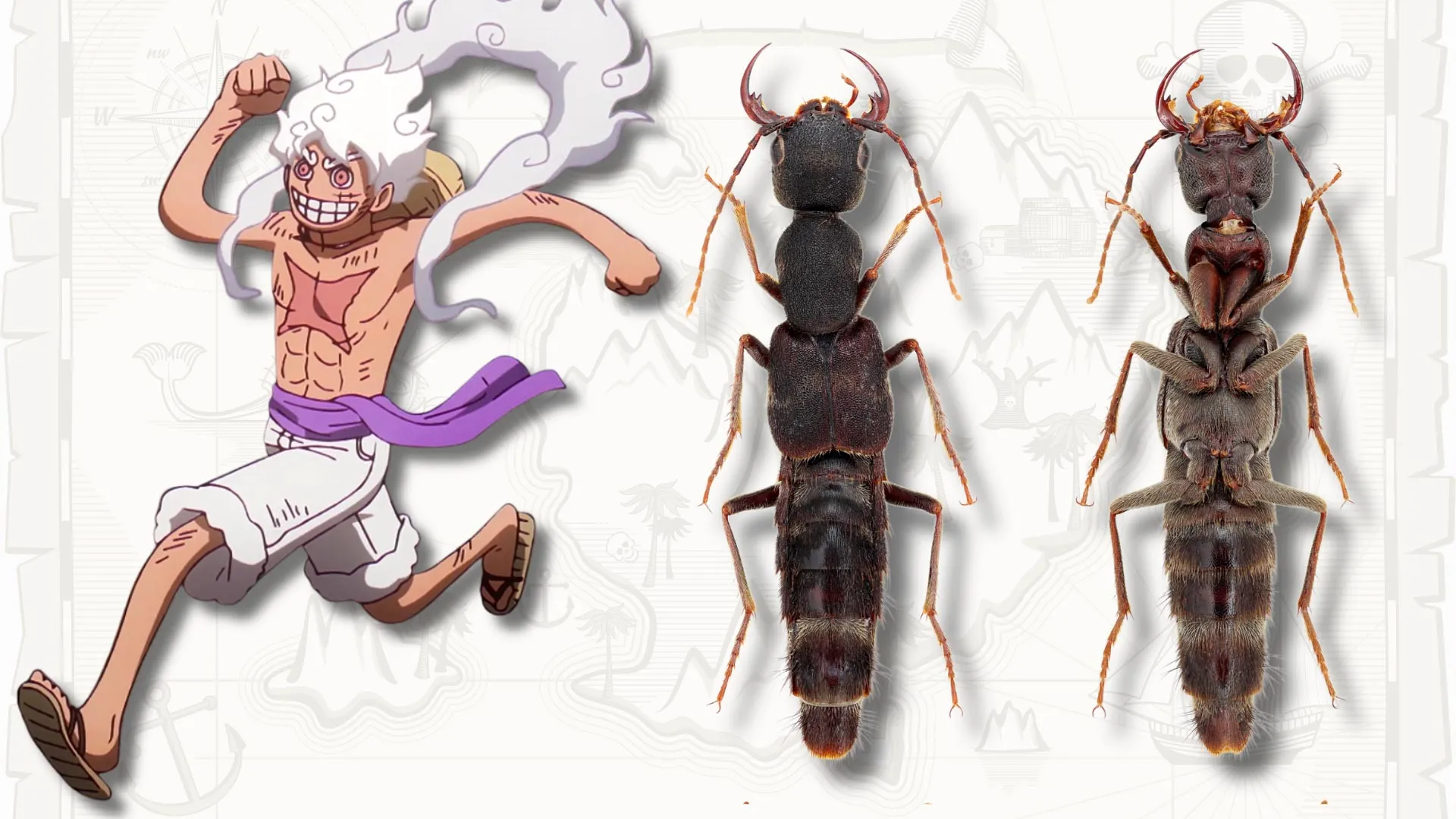
Scientists have named a newly discovered beetle genus Luffy, inspired by the stretchy hero of the manga and anime One Pi…