Rare blue optical transient points to possible new class of cosmic explosion

Chinese astronomers report the detection of a peculiar optical transient event that occurred in the center of a dwarf galaxy. The newly discovered event, designated AT2019ijn, is a fast-rising, slow-decaying blue optical transient with exceptionally bright radio emission. The finding was detailed in a paper published July 6 in The Astrophysical Journal Letters.
The science section covers breakthroughs in medicine, physics, biology, and technology. We surface discoveries that expand what humanity can do, from new treatments reaching clinical trials to engineering feats that seemed impossible a decade ago. Every link goes to the original publisher so you can read the full study or press release yourself.

July's full Moon, know as the Buck Moon, is set to light up the night sky next week.
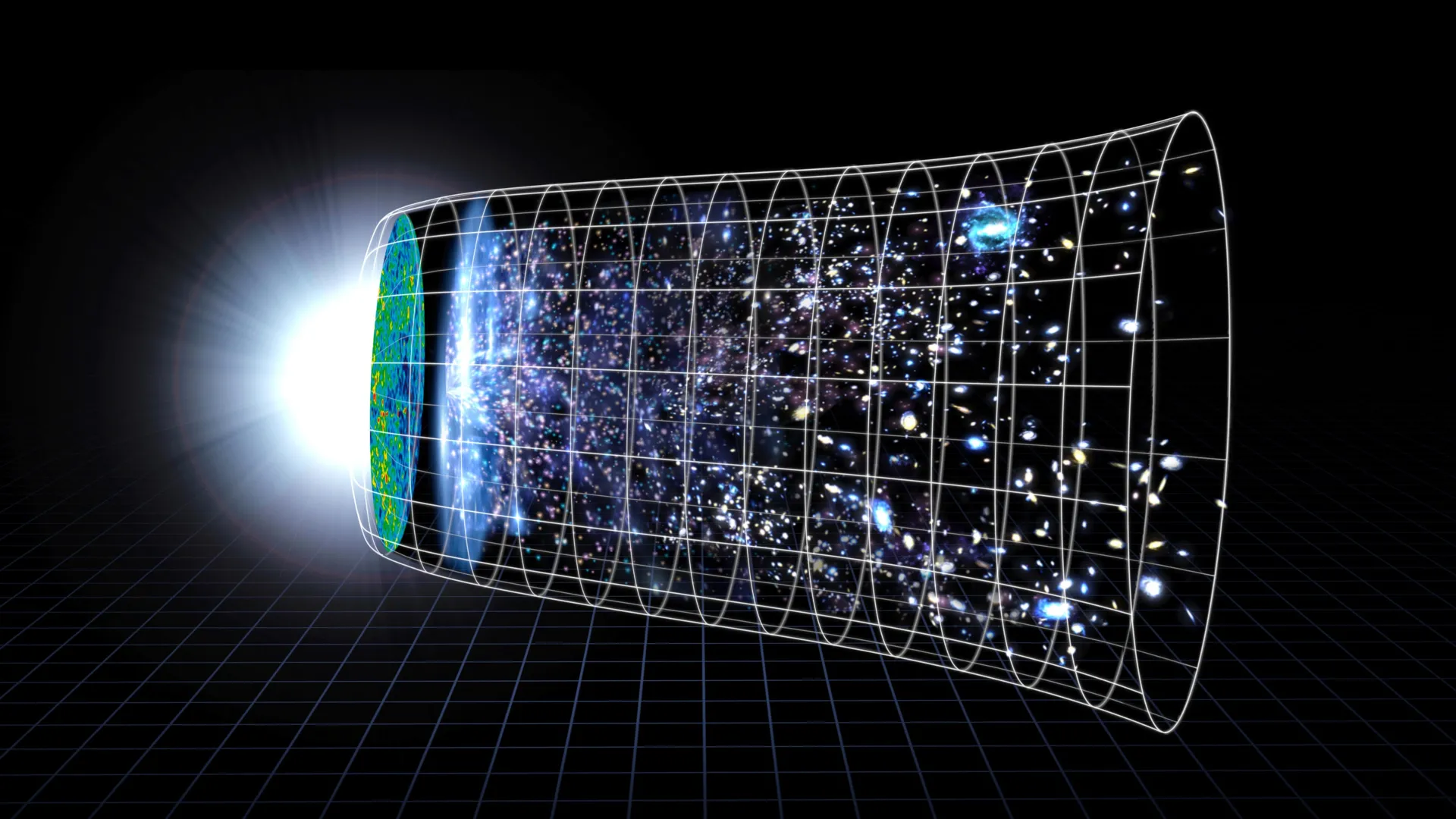
Cosmic expansion allows distant galaxies to move away faster than light, while still letting us see ancient light they e…

Newer oral drugs related to semaglutide medications such as Ozempic reduced pleasure-driven eating in mice by quieting a…

Recycling, greener diets, and other personal climate choices do not seem to distract people from supporting major enviro…