Physics-based AI could boost biomedical imaging and autonomous vehicle sensors

A research team led by UCLA and the University of Rochester has demonstrated a promising evolution of an imaging system designed to capture details within "complex media," which scatter light, from depicting structures inside body tissue to seeing obstacles through heavy fog. The system uses physics-based machine learning to improve an existing imaging technique.
The tech section covers stories about technology making life better, not just more profitable. Open-source tools reaching new audiences, accessibility breakthroughs, AI applications in healthcare and education, infrastructure improvements that quietly make cities work better. Product launches and funding rounds are excluded unless they deliver tangible public benefit.
Intel forecast crushes estimates as AI boom boosts chip demand; shares jump Reuters
China to boost wind and solar generation by more than 50% in five years Reuters
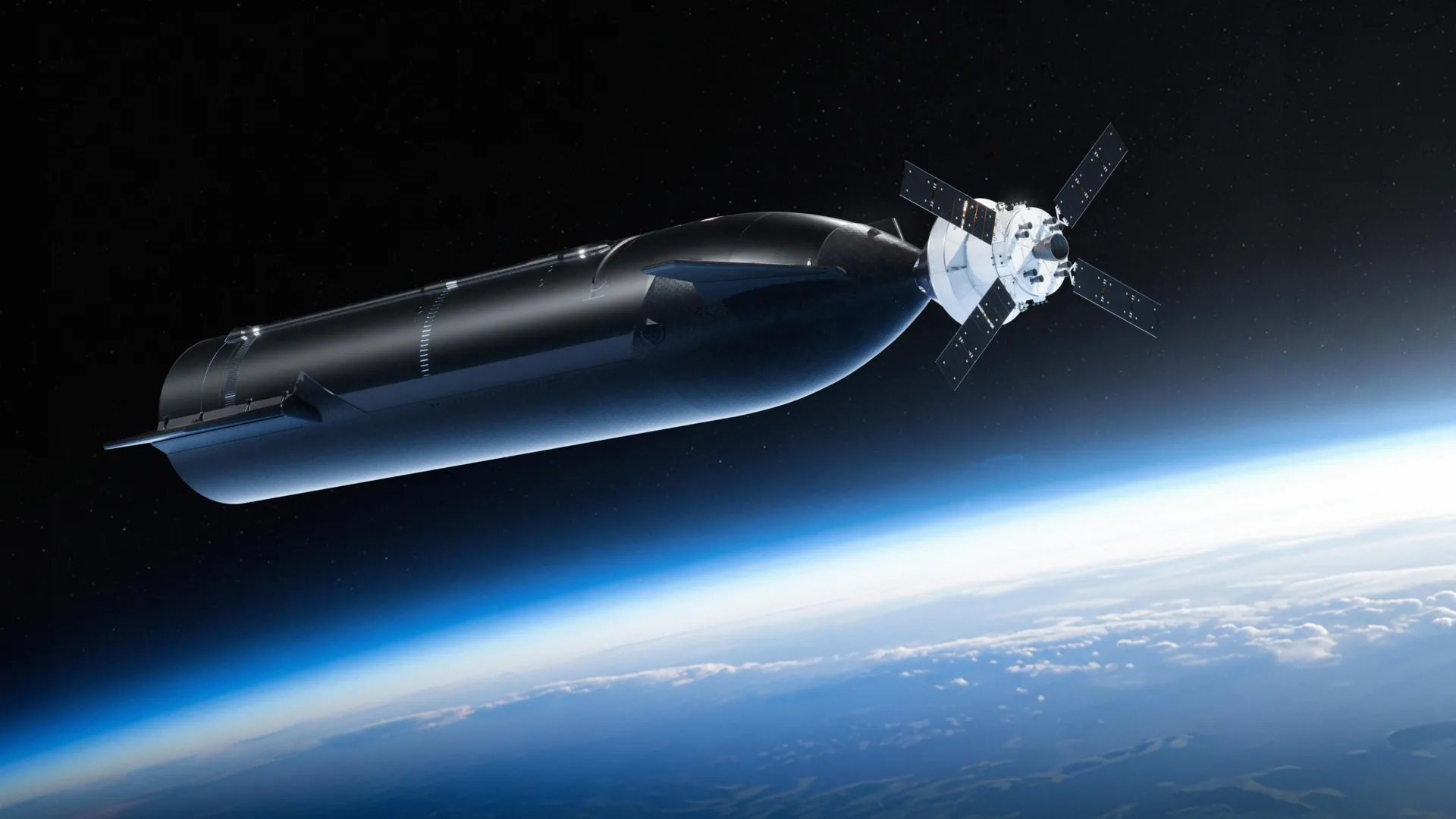
NASA is preparing for future astronaut landings on the Moon with an unusually ambitious orbital rehearsal. During Artemi…

Artificial intelligence (AI) is increasingly embedded in classroom practice in Hong Kong, following the Education Bureau…