Physicists create a tiny “Big Bang” with surprisingly small atomic nuclei
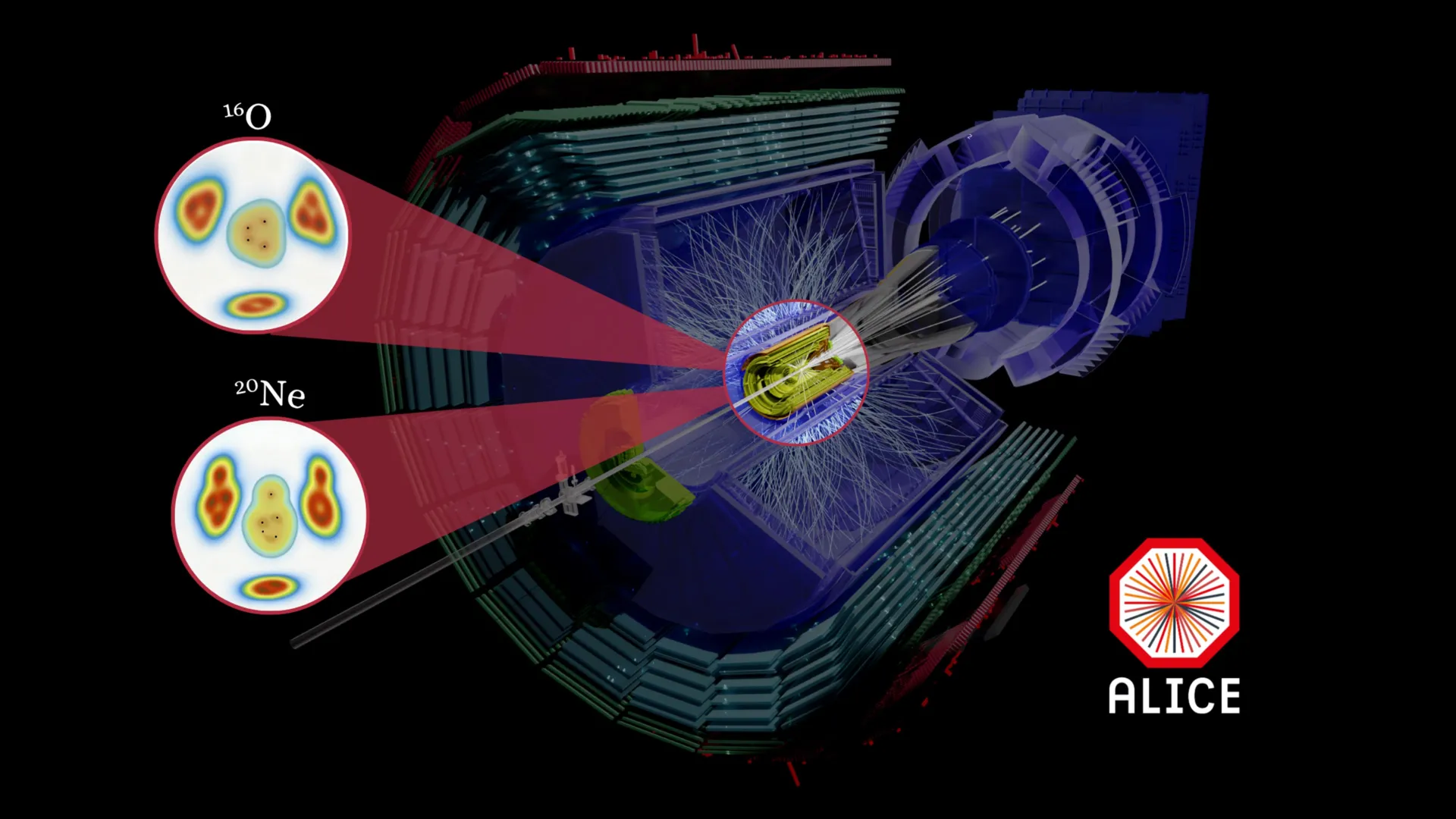
Researchers at CERN have created microscopic versions of the early Universe by colliding surprisingly small atomic nuclei at nearly the speed of light. The collisions produced quark-gluon plasma, the ultra-hot matter believed to have filled the cosmos shortly after the Big Bang. Even more intriguingly, the particles left behind reveal the shape of the nuclei that created them, offering a new way to probe both nuclear physics and the Universe’s earliest moments.
The science section covers breakthroughs in medicine, physics, biology, and technology. We surface discoveries that expand what humanity can do, from new treatments reaching clinical trials to engineering feats that seemed impossible a decade ago. Every link goes to the original publisher so you can read the full study or press release yourself.
If today's breakthrough story sparked something, a live 1-on-1 tutor can take you from curious to competent. First lesson guaranteed or your money back.
Try Preply free →
Earth Observatory Science Earth Observatory What Lake Bonneville Left Behind Earth Earth Observatory Image of the Day EO…

Curiosity Navigation Curiosity Home Mission Overview Where is Curiosity? Mission Updates Science Overview Instruments Hi…

The structure consisted of two posts that lined up with the solstices 5,000 years ago.

BBC Science Editor Rebecca Morelle reflects on how it felt to watch history being made.
Most news feeds won't give you another one. Our morning letter will: one email at sunrise with the day's best good news.
Start tomorrow morning →