New algorithm identifies disease-linked changes in cells without prior training

A new algorithm could drive breakthroughs in understanding cancer, Alzheimer's disease and other potentially fatal conditions. Researchers from the University of Waterloo developed the machine-learning algorithm, called RNovA, to detect changes in the proteins in human cells. Their research is published in the journal Nature Biotechnology.
The tech section covers stories about technology making life better, not just more profitable. Open-source tools reaching new audiences, accessibility breakthroughs, AI applications in healthcare and education, infrastructure improvements that quietly make cities work better. Product launches and funding rounds are excluded unless they deliver tangible public benefit.
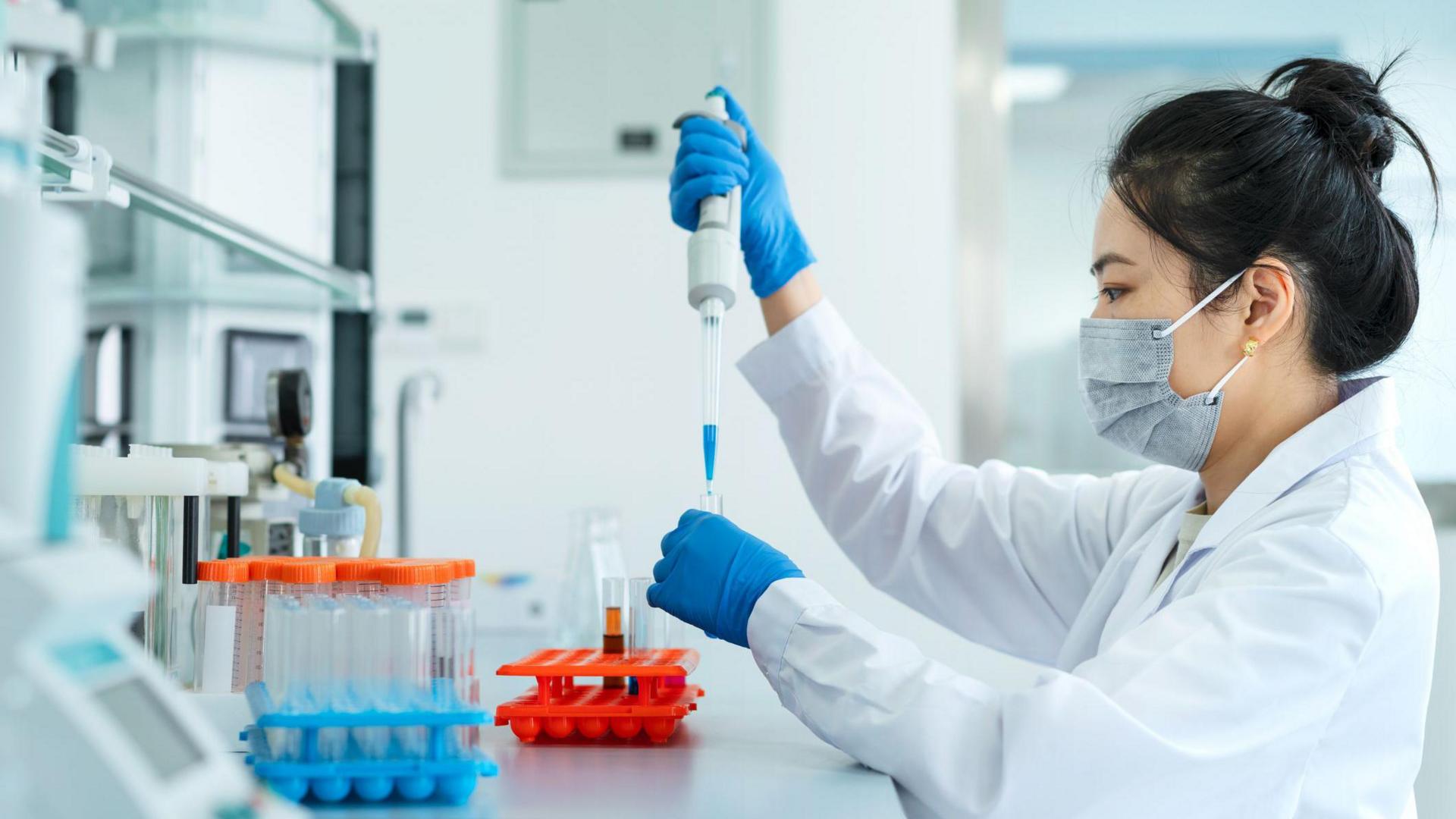
Cambridge scientists say they have, for the first time, tested a vaccine designed by AI.

Researchers have developed a self-driving chemistry lab that can autonomously search through hundreds of catalyst recipe…

Our hands are the nimblest parts of our bodies, coordinating 34 muscles, 27 joints, and over 100 tendons and ligaments t…

With an adaptable fastener designed at CSAIL, pitching a tent or adjusting the cast for a broken bone could be almost as…