Nearly 200-year-old Tortoise Becomes First to Contribute Extraordinary Epigenome to Aging Research
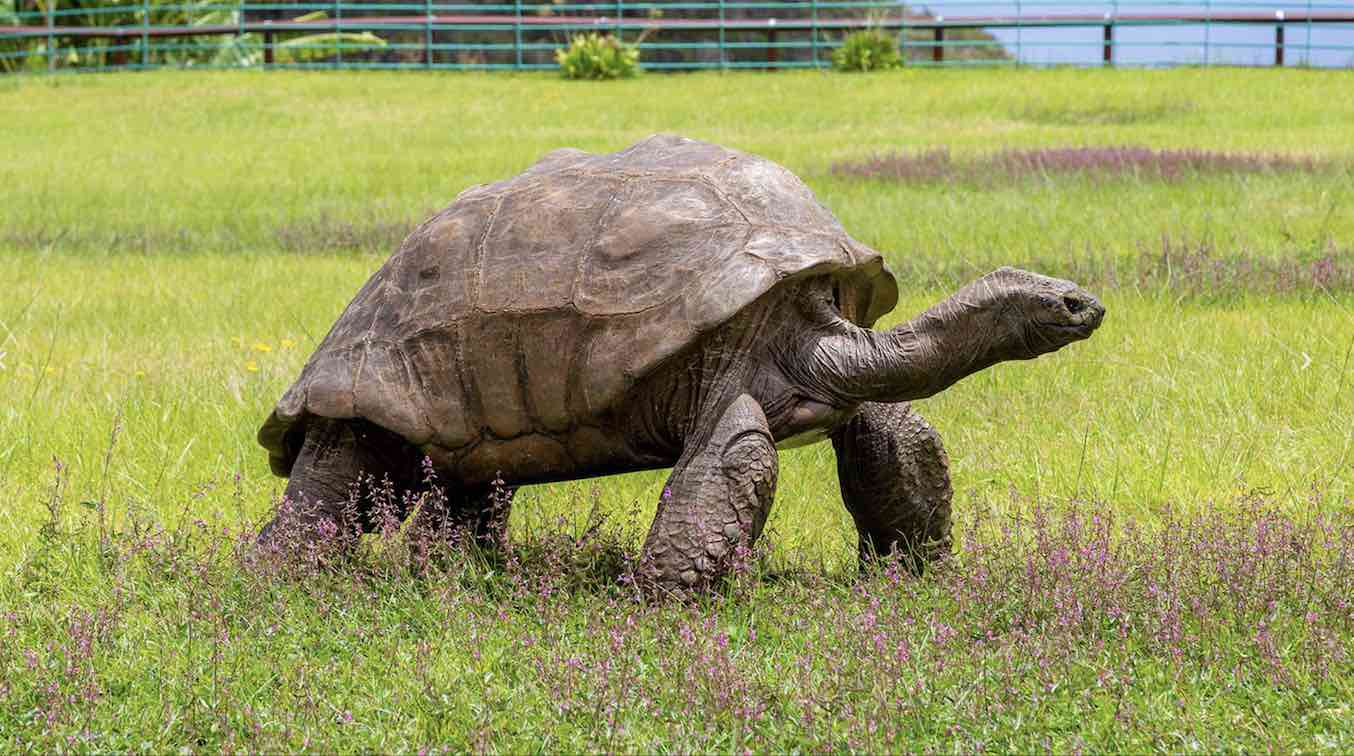
Scientists studying a nearly 200-year-old tortoise have made significant discoveries about aging through genetic tests. The research suggests that this tortoise, Jonathan, has an extraordinary epigenome that could help us understand healthy aging better than human studies alone. He is believed to be the world's oldest living land animal.
Why it's good news: This news is good for readers because it brings a unique perspective on aging from a long-lived creature that can inform our understanding of human health.
The kindness section highlights people helping people: strangers stepping in during emergencies, communities rallying around neighbors, small acts that ripple outward. These are not performative charity stories; they are moments where someone chose to act when they did not have to.
The morning letter delivers the day's best positive headlines before the rest of the internet gets loud. Free, no tracking, one click to leave.
Get the morning letter →
A 7-year-old Japanese girl's excitement over her new bike led to a chain of kindness that has been passed down for years…

A worldwide study on conservation successes reveals that local involvement and action are key factors in preserving enda…

Scientists in Norway have discovered a significant collection of ancient stone tools buried under glaciers. The find inc…
Most news feeds won't give you another one. Our morning letter will: one email at sunrise with the day's best good news.
Start tomorrow morning →