NASA spacecraft data reveal how solar system's tail shifts over 14 years

Scientists have used 14 years' worth of data from NASA's IBEX spacecraft to track the movement of the heliotail lobes in our solar system. The study reveals how these lobes change position over time due to changes in solar activity. The paths followed by the lobes are distinct and can be mapped.
Why it's good news: It improves our understanding of the dynamics between our solar system and outer space.
The science section covers breakthroughs in medicine, physics, biology, and technology. We surface discoveries that expand what humanity can do, from new treatments reaching clinical trials to engineering feats that seemed impossible a decade ago. Every link goes to the original publisher so you can read the full study or press release yourself.
If today's breakthrough story sparked something, a live 1-on-1 tutor can take you from curious to competent. First lesson guaranteed or your money back.
Try Preply free →More Science & Breakthroughs stories
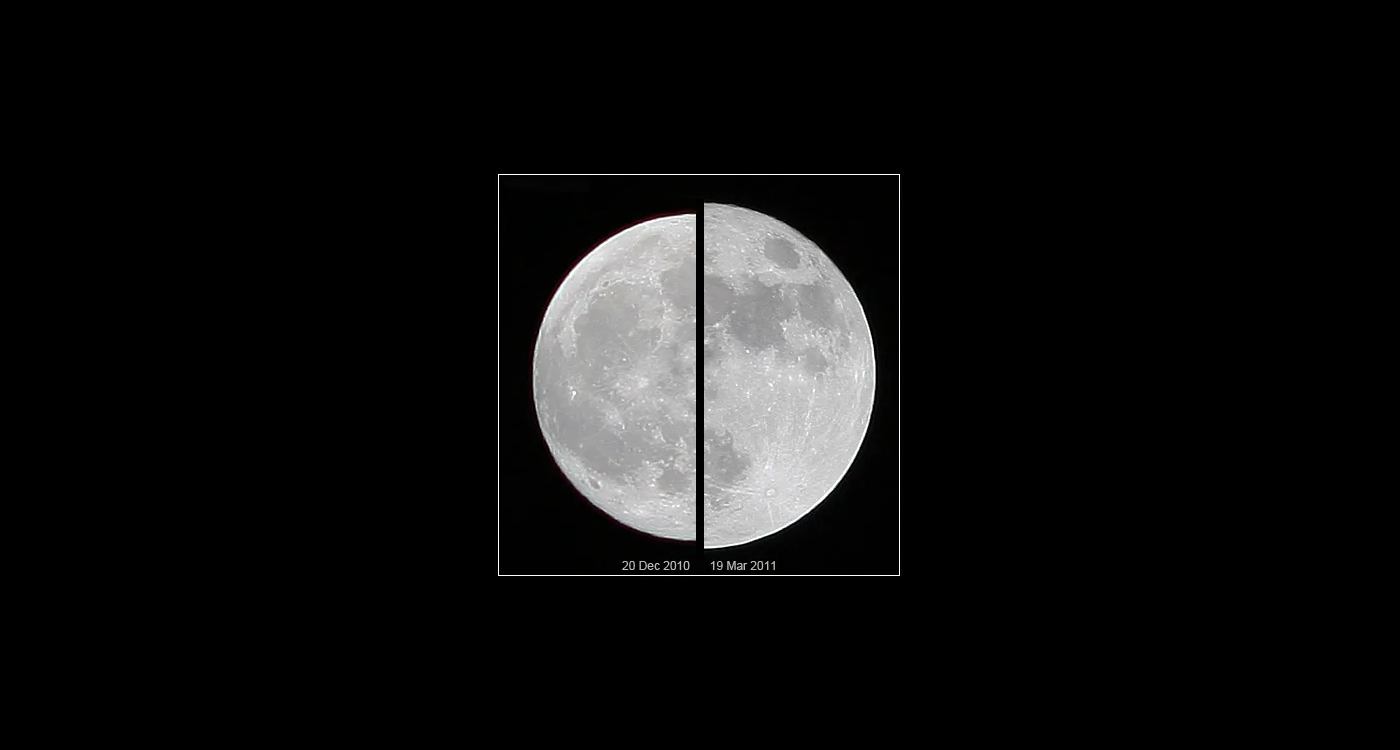
A supermoon is visible tonight and tomorrow, making it a good opportunity for people to observe the Moon. The peak brigh…

People's appetites change with the seasons, and it can be hard to feel full later in the year.

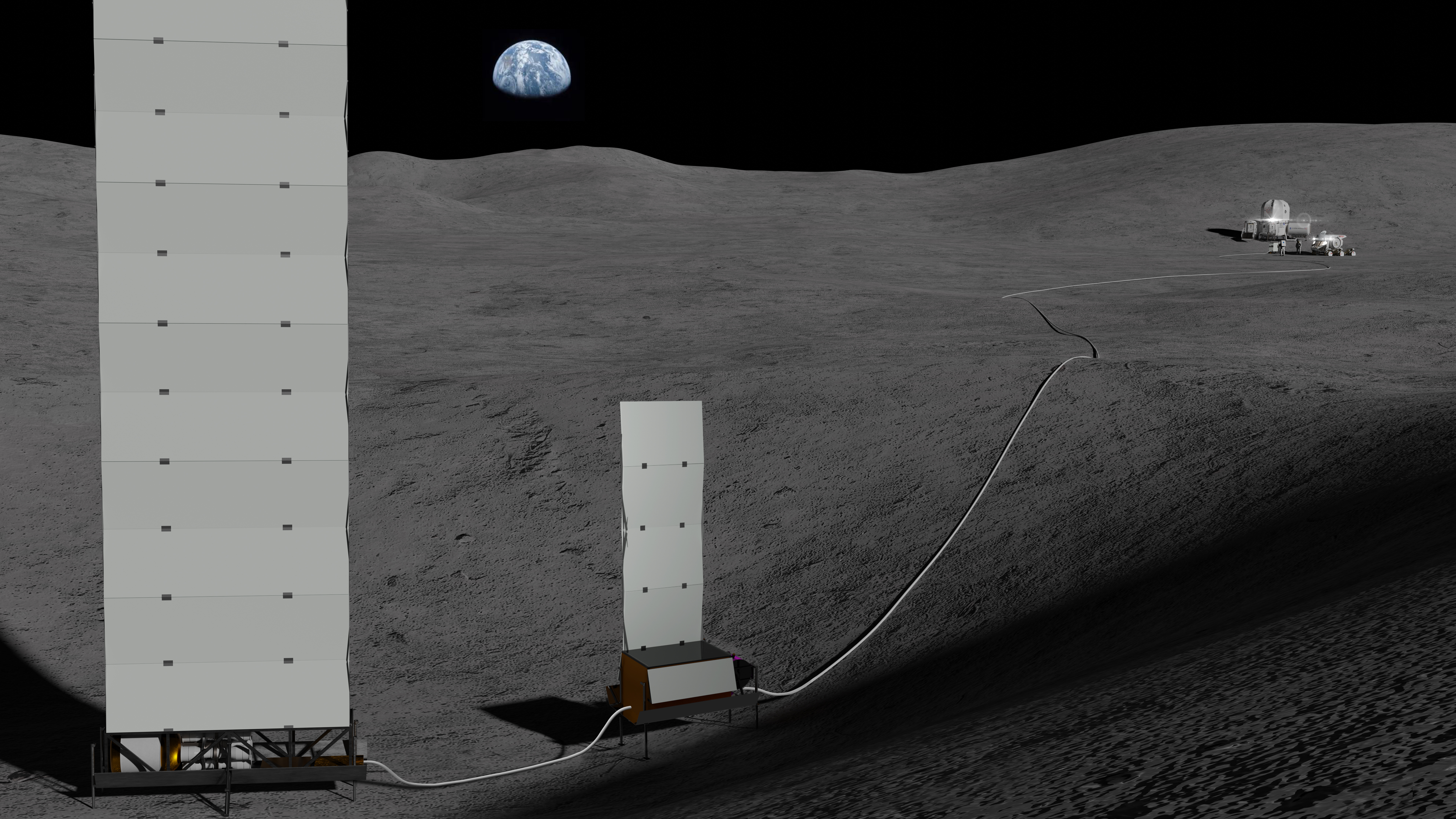
NASA has awarded Northrop Grumman Systems Corporation a contract to build instruments for NOAA's Near Earth Orbit Networ…
Most news feeds won't give you another one. Our morning letter will: one email at sunrise with the day's best good news.
Start tomorrow morning →