Macromolecular crowding could help build artificial cell systems

Researchers have discovered a new approach to creating artificial cells by manipulating synthetic DNA droplets using macromolecular crowding. This method enables control over the size, interactions, and organization of these droplets. The study used DNA nanostars and polymeric agents to mimic a crowded cellular environment.
Why it's good news: It brings us closer to developing artificial cell systems that could have numerous applications in fields such as medicine and biotechnology.
The science section covers breakthroughs in medicine, physics, biology, and technology. We surface discoveries that expand what humanity can do, from new treatments reaching clinical trials to engineering feats that seemed impossible a decade ago. Every link goes to the original publisher so you can read the full study or press release yourself.
If today's breakthrough story sparked something, a live 1-on-1 tutor can take you from curious to competent. First lesson guaranteed or your money back.
Try Preply free →
As temperatures drop, bugs are seeking warmer spots, leading some people to use vinegar as a deterrent. However, pest ex…

The Kenyan government has committed a significant amount to protect large areas of Africa's least-disturbed land in part…
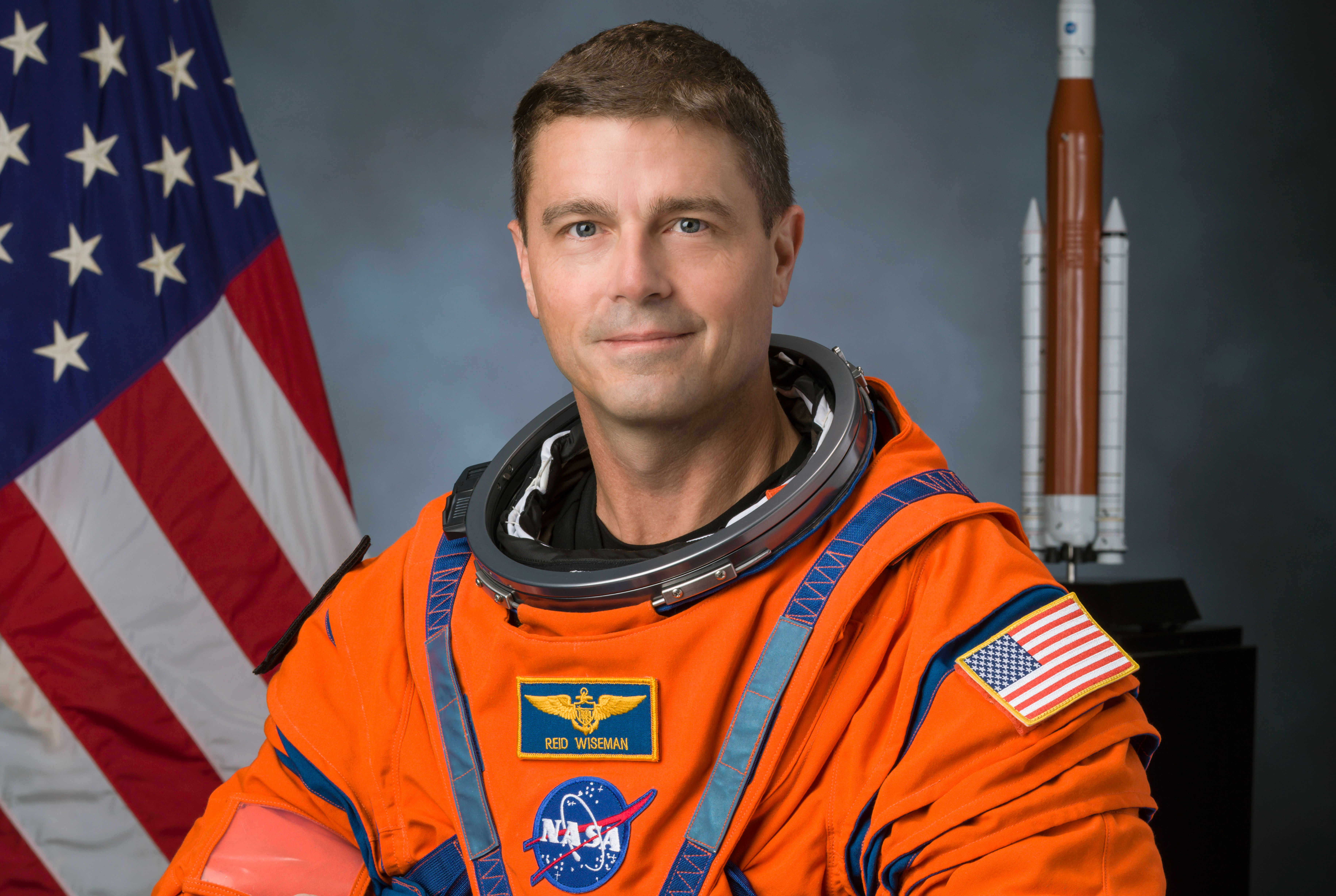
Reid Wiseman, a former NASA astronaut and commander of the Artemis II mission, has been appointed to a leadership positi…

Most news feeds won't give you another one. Our morning letter will: one email at sunrise with the day's best good news.
Start tomorrow morning →