How soil bacteria help plants defend themselves against disease

A study led by researchers at the University of Liège reveals the mechanism by which surfactin, a molecule produced by beneficial soil bacteria, activates plants' immune defenses. This mechanism, distinct from the classical paradigm of immune recognition, relies on direct interaction with the plant cell membrane. This discovery opens up prospects for the development of next-generation biopesticides. The paper is published in the journal Nature Plants.
The science section covers breakthroughs in medicine, physics, biology, and technology. We surface discoveries that expand what humanity can do, from new treatments reaching clinical trials to engineering feats that seemed impossible a decade ago. Every link goes to the original publisher so you can read the full study or press release yourself.

Earth Observatory Science Earth Observatory Picturing Earth in a New Light Earth Earth Observatory Image of the Day EO E…

NASA’s Perseverance Mars rover used its dual-camera Mastcam-Z imager to capture this image of “Santa Cruz,” a hill about…

2 min readPreparations for Next Moonwalk Simulations Underway (and Underwater) NASA is collaborating with Eta Space of R…
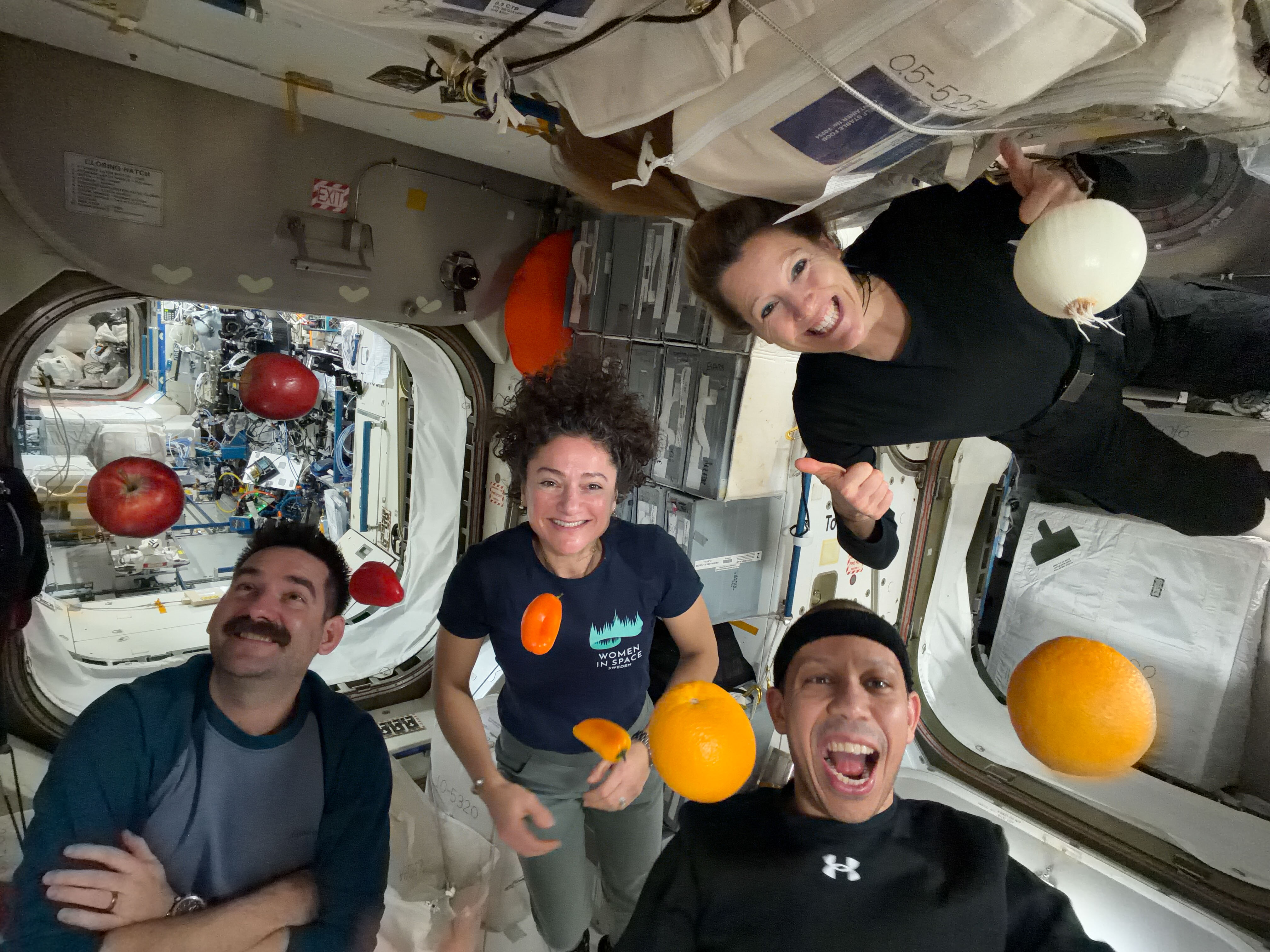
You’re allowed to play with your food when you’re on the International Space Station!NASA/Chris Williams NASA astronauts…