How PFAS regulation cut toxic chemical levels in Canadian wildlife
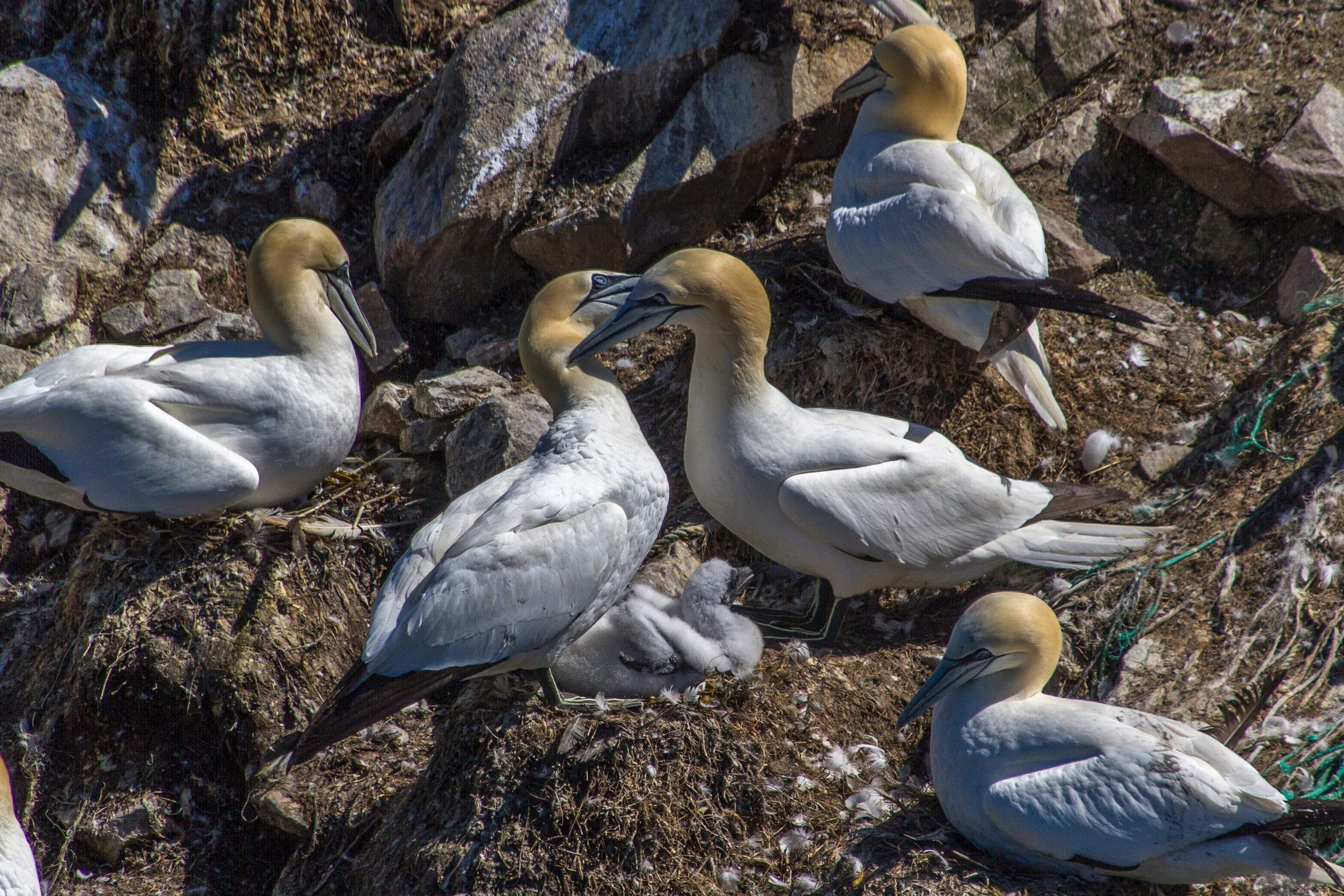
BY THE OPTIMIST DAILY EDITORIAL TEAM Levels of some of the most toxic PFAS compounds have fallen sharply in Canadian seabird eggs, and the reason isn’t complicated. Regulation worked. A peer-reviewed study tracked PFAS concentrations in the eggs of northern gannets on Bonaventure Island, in the St. Lawrence Seaway basin, over 55 years. PFOS, one of the most common and toxic PFAS compounds, peaked at 100 parts per billion in the eggs, then dropped to 26 parts per billion by 2024, a 74 percent dec
The science section covers breakthroughs in medicine, physics, biology, and technology. We surface discoveries that expand what humanity can do, from new treatments reaching clinical trials to engineering feats that seemed impossible a decade ago. Every link goes to the original publisher so you can read the full study or press release yourself.

BY THE OPTIMIST DAILY EDITORIAL TEAM The question seemed reasonable enough: what heat adaptation interventions were alre…

BY THE OPTIMIST DAILY EDITORIAL TEAM The feeling of not mattering, of going through a whole day without anyone really se…
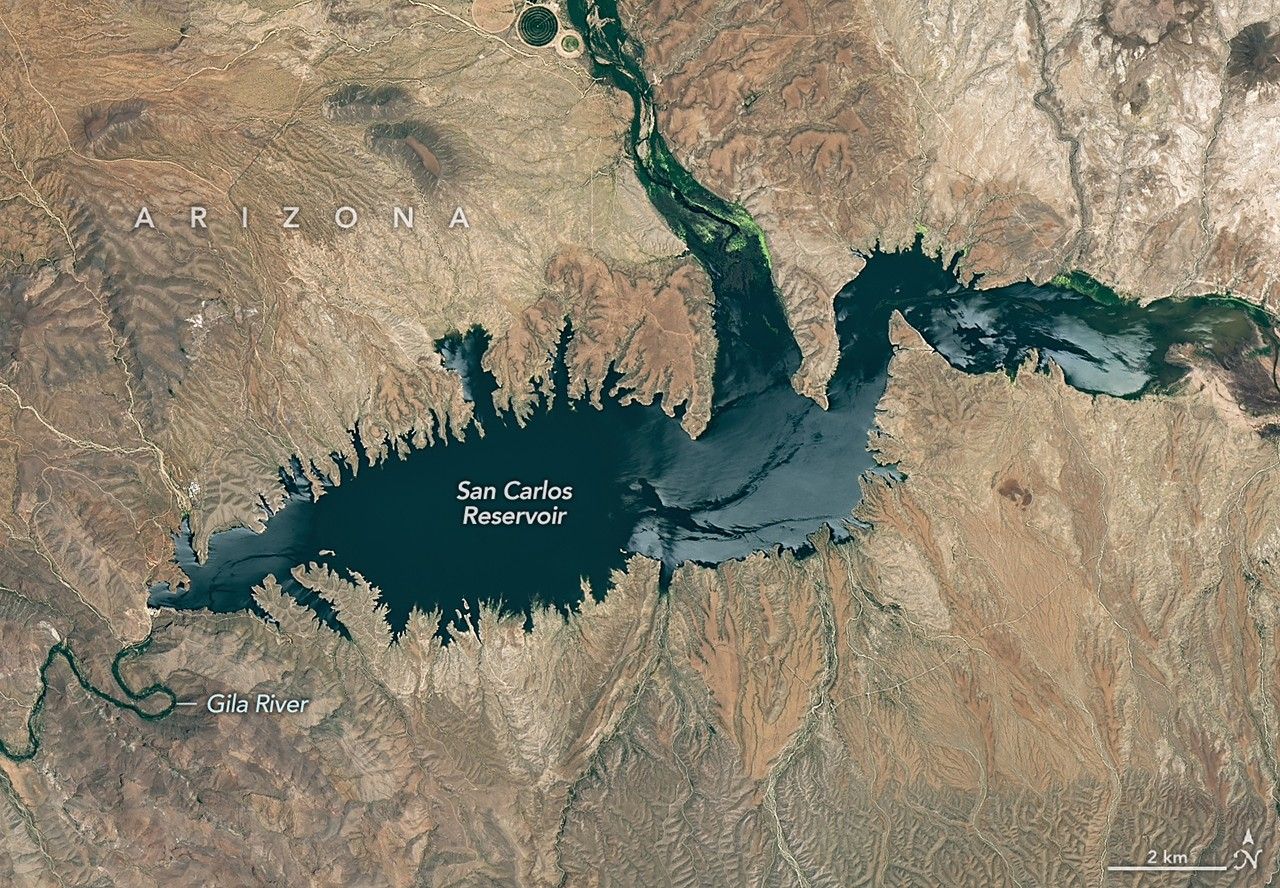
Earth Observatory Science Earth Observatory Low Water at San Carlos Reservoir Earth Earth Observatory Image of the Day E…

Explore Webb Science James Webb Space Telescope (JWST) NASA’s Webb Catches… Webb News Latest News Latest Images Webb’s B…