How changing environments can preserve an ancient microbial survival strategy

A research group led by Tetsuhiro Hatakeyama from the Earth-Life Science Institute (ELSI) at the Institute of Science Tokyo has revealed how a seemingly self-destructive survival strategy could persist in yeast for hundreds of millions of years. By combining population dynamics theory with comparative experimental observations, the team found that alternating periods of nutrient-rich conditions and starvation can stabilize this unusual behavior over evolutionary timescales. The findings were pub
The science section covers breakthroughs in medicine, physics, biology, and technology. We surface discoveries that expand what humanity can do, from new treatments reaching clinical trials to engineering feats that seemed impossible a decade ago. Every link goes to the original publisher so you can read the full study or press release yourself.
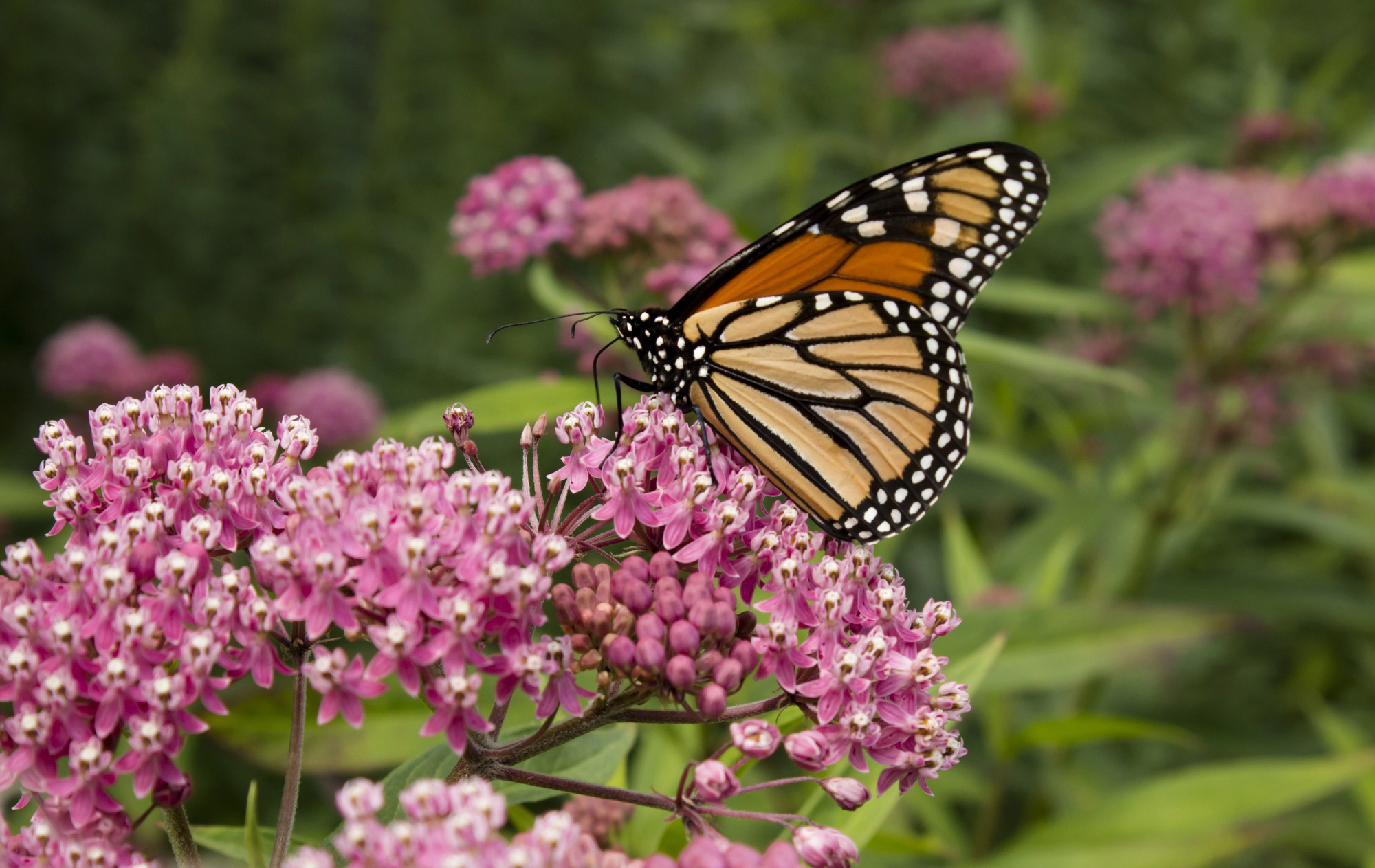
BY THE OPTIMIST DAILY EDITORIAL TEAM Researchers have planted 9,000 milkweed plants along roads in six North Florida cou…

BY THE OPTIMIST DAILY EDITORIAL TEAM Holding in a sneeze carries more risk than most people assume. The injuries it can …

Earth Observatory Science Wildfires Smoke Blankets Oregon Earth Earth Observatory Image of the Day EO Explorer Topics Al…

NASA astronaut and Expedition 74 flight engineer Chris Williams shows off the Destiny laboratory module’s Microgravity S…