Here's how engineers plan to save the satellite sent to save NASA's Swift mission
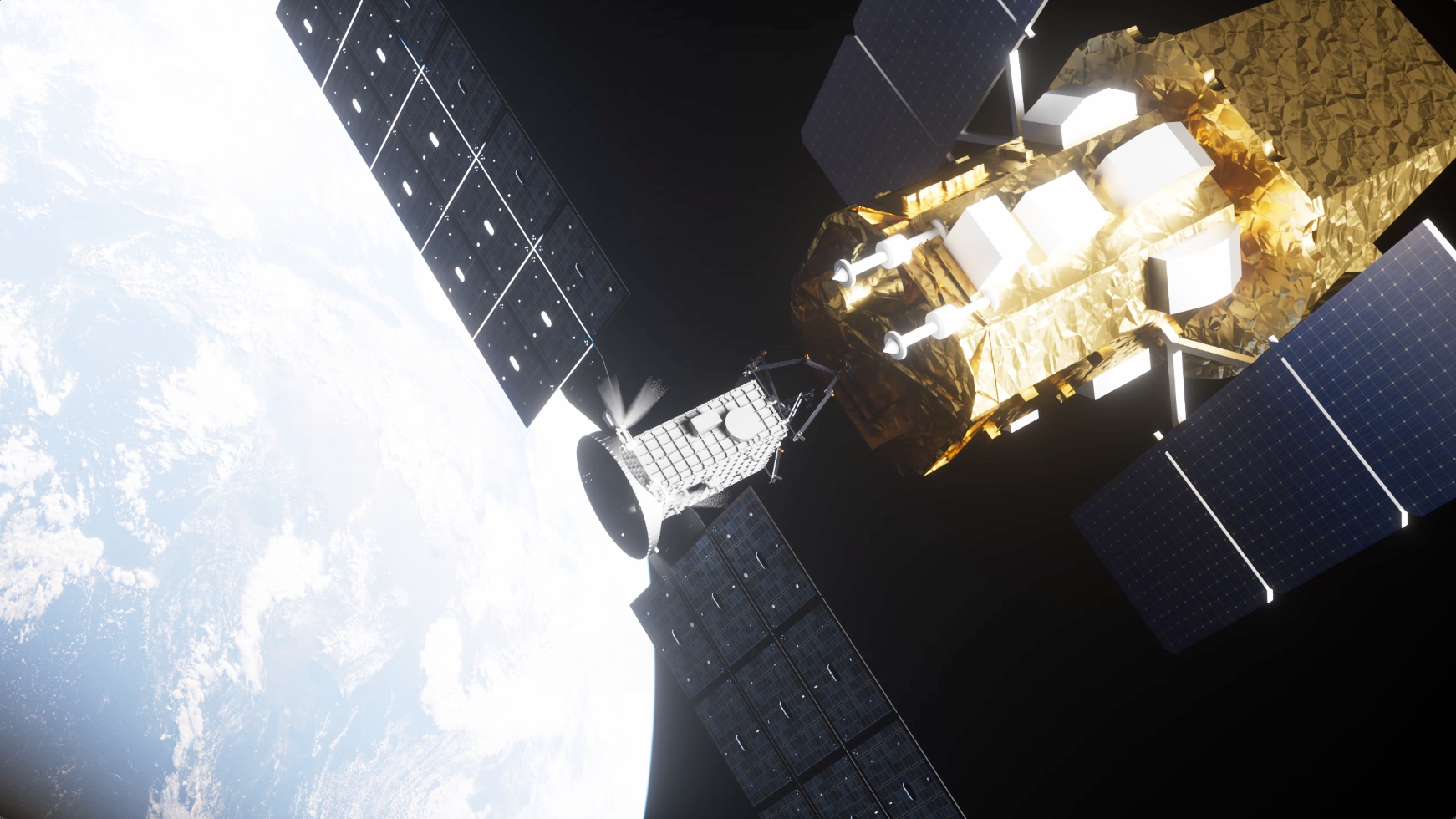
One week ago, more than 200 miles above the Earth, a refrigerator-size satellite making its way toward an attempted rescue of NASA's $500 million Swift gamma-ray observatory suddenly spun out of control. It didn't look good. The spacecraft, named Link, was rotating on multiple axes, rendering it unable to maintain a reliable communications link with the ground and complicating efforts to arrest the spin. Two of the satellite's three reaction wheels, used for pointing, also stopped working. Throu
The tech section covers stories about technology making life better, not just more profitable. Open-source tools reaching new audiences, accessibility breakthroughs, AI applications in healthcare and education, infrastructure improvements that quietly make cities work better. Product launches and funding rounds are excluded unless they deliver tangible public benefit.
'Spider-Man: Brand New Day' opens to a huge $927 million global box office Reuters

How do students actually use AI learning assistants? A new research paper by IU International University of Applied Scie…

Most sensors are designed to do only one thing: detect what passes through them. But what if a sensor could do more? To …
Shaping light like never before - with photonic time crystals chemeurope.com