Google's AI genome system evaluates every possible one-base change
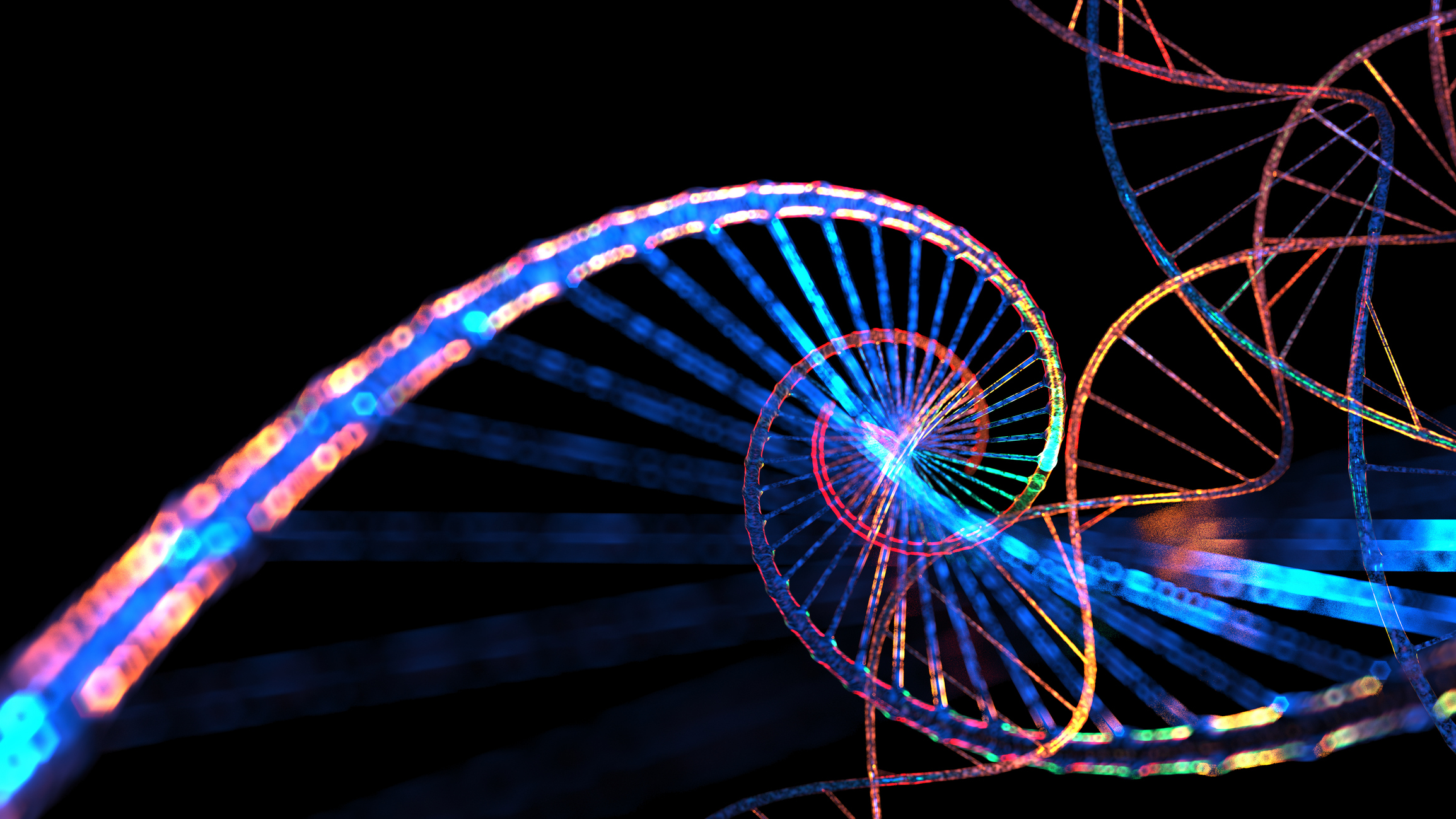
On Tuesday, Google announced AlphaGenome Atlas, a resource that attempts to predict the consequences of every possible single-base variant in the human genome. The human genome is about 3 billion bases long, so trying the other three DNA bases that don't appear in our reference genome means sending a total of 9 billion bases through AlphaGenome software. AlphaGenome is designed to identify potential functions of non-coding DNA, which does not encode proteins but makes up the vast majority of the
The science section covers breakthroughs in medicine, physics, biology, and technology. We surface discoveries that expand what humanity can do, from new treatments reaching clinical trials to engineering feats that seemed impossible a decade ago. Every link goes to the original publisher so you can read the full study or press release yourself.
If today's breakthrough story sparked something, a live 1-on-1 tutor can take you from curious to competent. First lesson guaranteed or your money back.
Try Preply free →
BY THE OPTIMIST DAILY EDITORIAL TEAM Scientists at the Institute for Bioengineering of Catalonia developed light-activat…

THE OPTIMIST DAILY EDITORIAL TEAM When you’re decluttering, the thrift store is the obvious first move. Drop it off, and…

Credit: NASA A NASA Launch Services (NLS) II contract has been awarded by the agency to Relativity Space Inc., and its T…

X-ray: NASA/CXC/Univ. of Alabama/M. Muhibullah et al.; Optical: NASA/ESA/STScI; Image Processing: NASA/CXC/SAO/N. Wolk U…
Most news feeds won't give you another one. Our morning letter will: one email at sunrise with the day's best good news.
Start tomorrow morning →