Genetic mosaic helps explain diverse forms of Darwin's finches

Researchers studying Darwin's finches found a genetic explanation for the different types of beaks found among the birds. The study focused on ground finches and their relatives that eat insects in forests. This diversity is key to the birds' ability to thrive on the Galápagos Islands.
Why it's good news: It helps us understand how a group of animals can adapt to different environments, providing valuable insights into evolution itself.
Animal stories cover species recovery, rescue operations, conservation milestones, and the moments where humans and animals connect in unexpected ways. We are particularly interested in population recoveries for endangered species, successful rewilding programs, and veterinary breakthroughs.
The morning letter delivers the day's best positive headlines before the rest of the internet gets loud. Free, no tracking, one click to leave.
Get the morning letter →More Animals stories
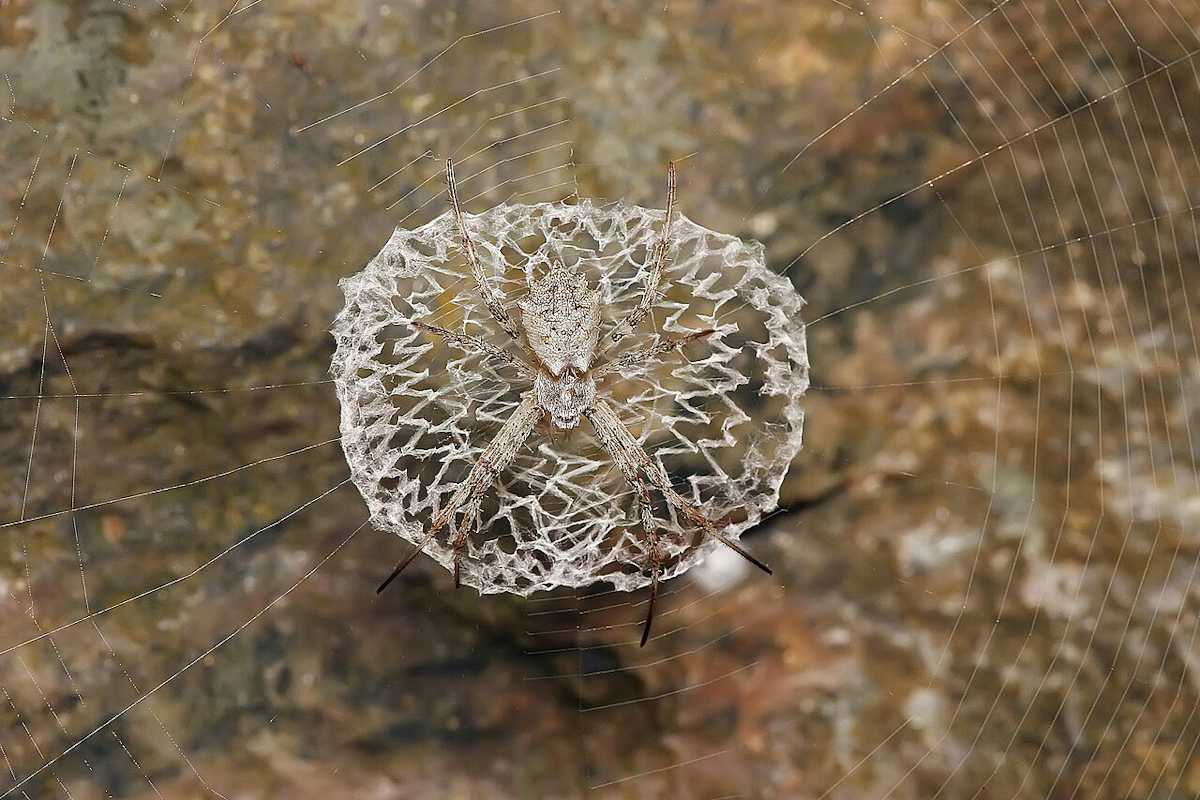
A professor of biology spent four days observing wildlife on Washington's Olympic Peninsula, noting various species he h…
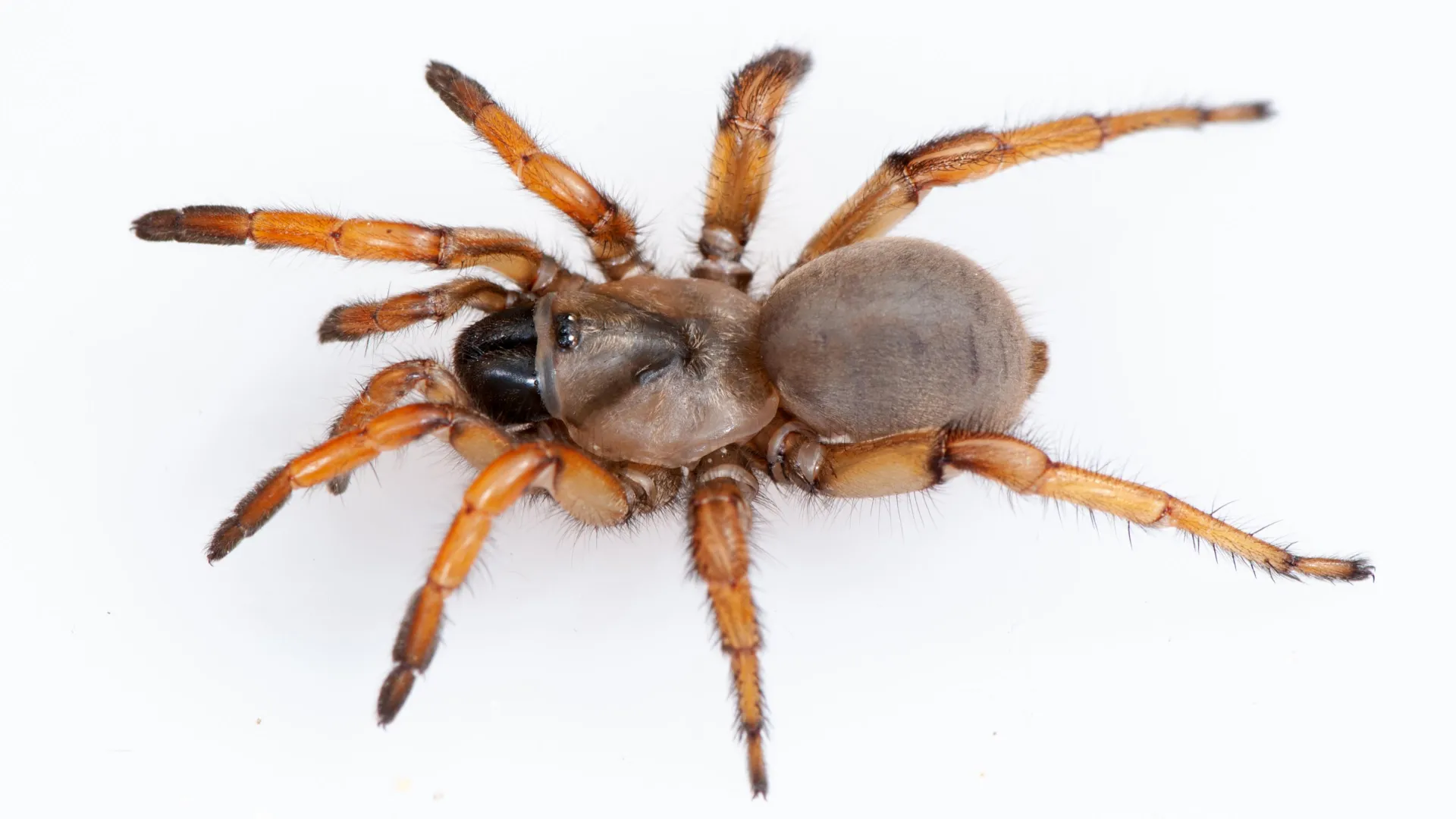
A tiny trapdoor spider in California has been found to have a very large genome compared to humans. Its genetic makeup i…
Most news feeds won't give you another one. Our morning letter will: one email at sunrise with the day's best good news.
Start tomorrow morning →