Frozen Greenland middens preserve 4,500 years of farms, seal hunts and toilets

Greenland has a long and checkered history of human settlement: several Paleo-Inuit cultures since approximately 2,500 BCE, descendants of Vikings between the 10th and 15th centuries, and early modern Danes since 1721. All left their traces on the landscape, for example in the form of ancient domestic rubbish heaps. Composed of waste like animal bones, excrement, mollusk shells and human artifacts, these middens are a precious resource for archaeologists.
The science section covers breakthroughs in medicine, physics, biology, and technology. We surface discoveries that expand what humanity can do, from new treatments reaching clinical trials to engineering feats that seemed impossible a decade ago. Every link goes to the original publisher so you can read the full study or press release yourself.
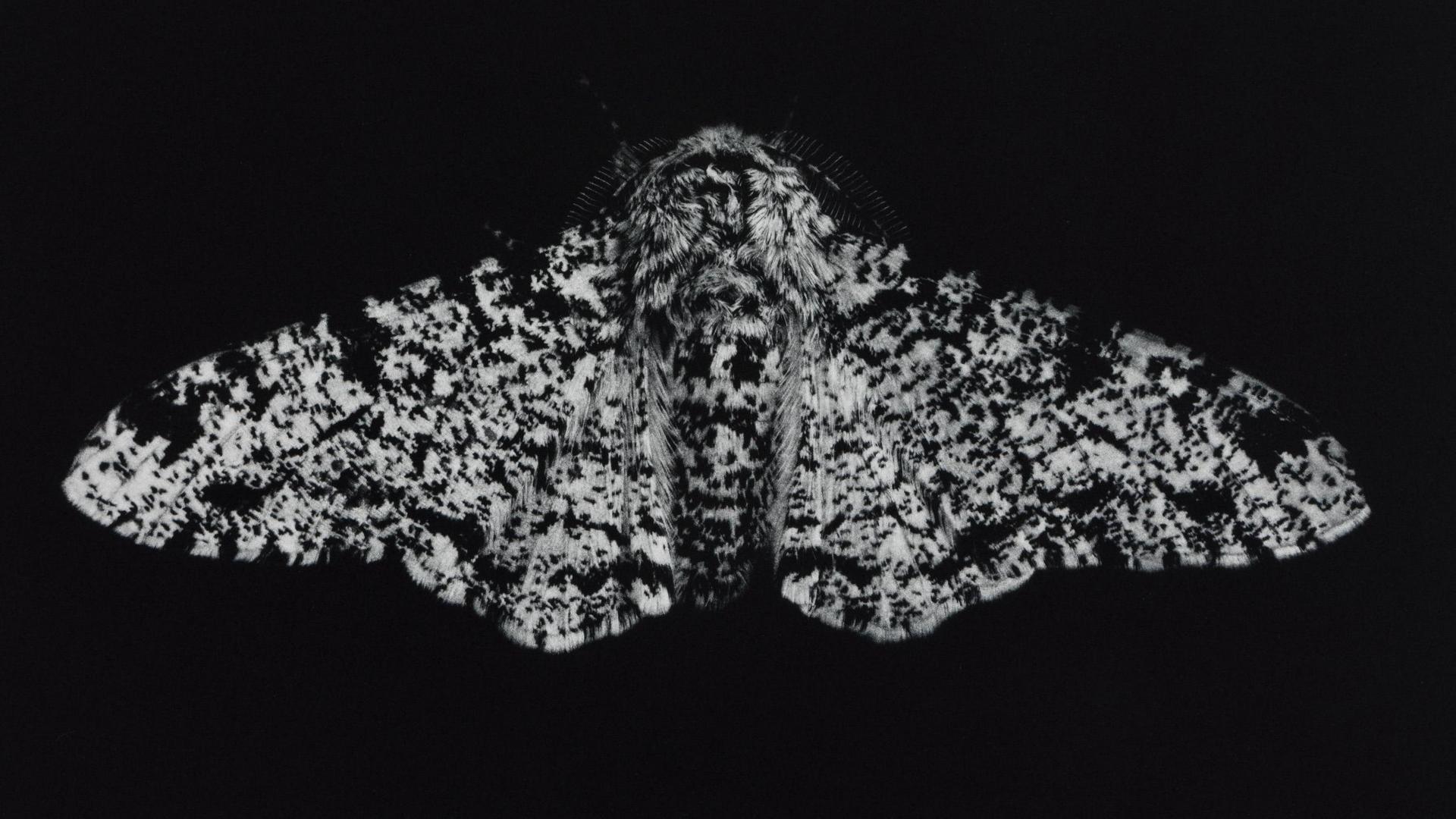
An exhibition examining how moths adapt to environmental changes has opened in Kestle Barton.
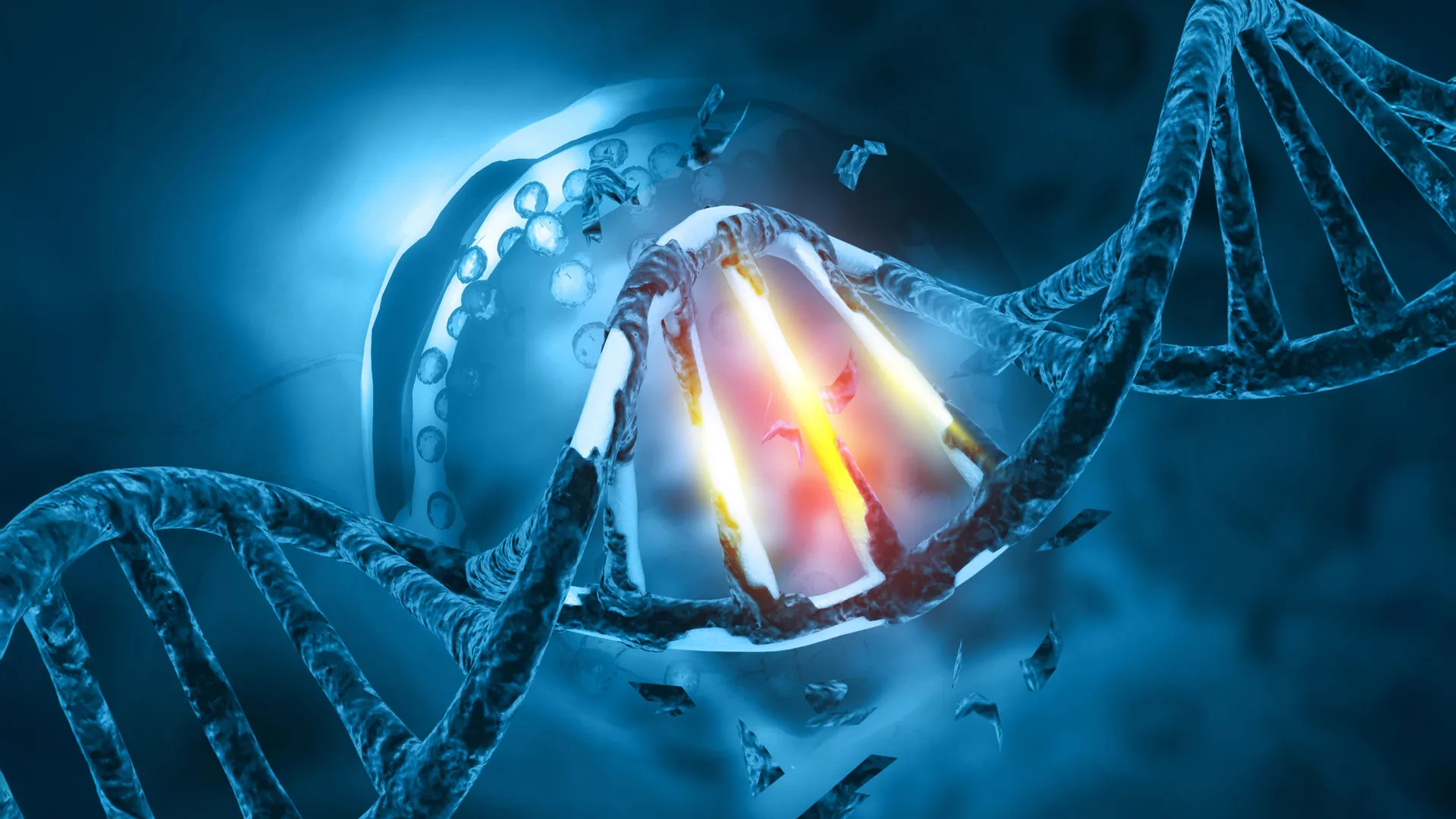
Scientists have discovered that a gene normally considered a DNA-protecting "good guy" can become dangerous when cells m…
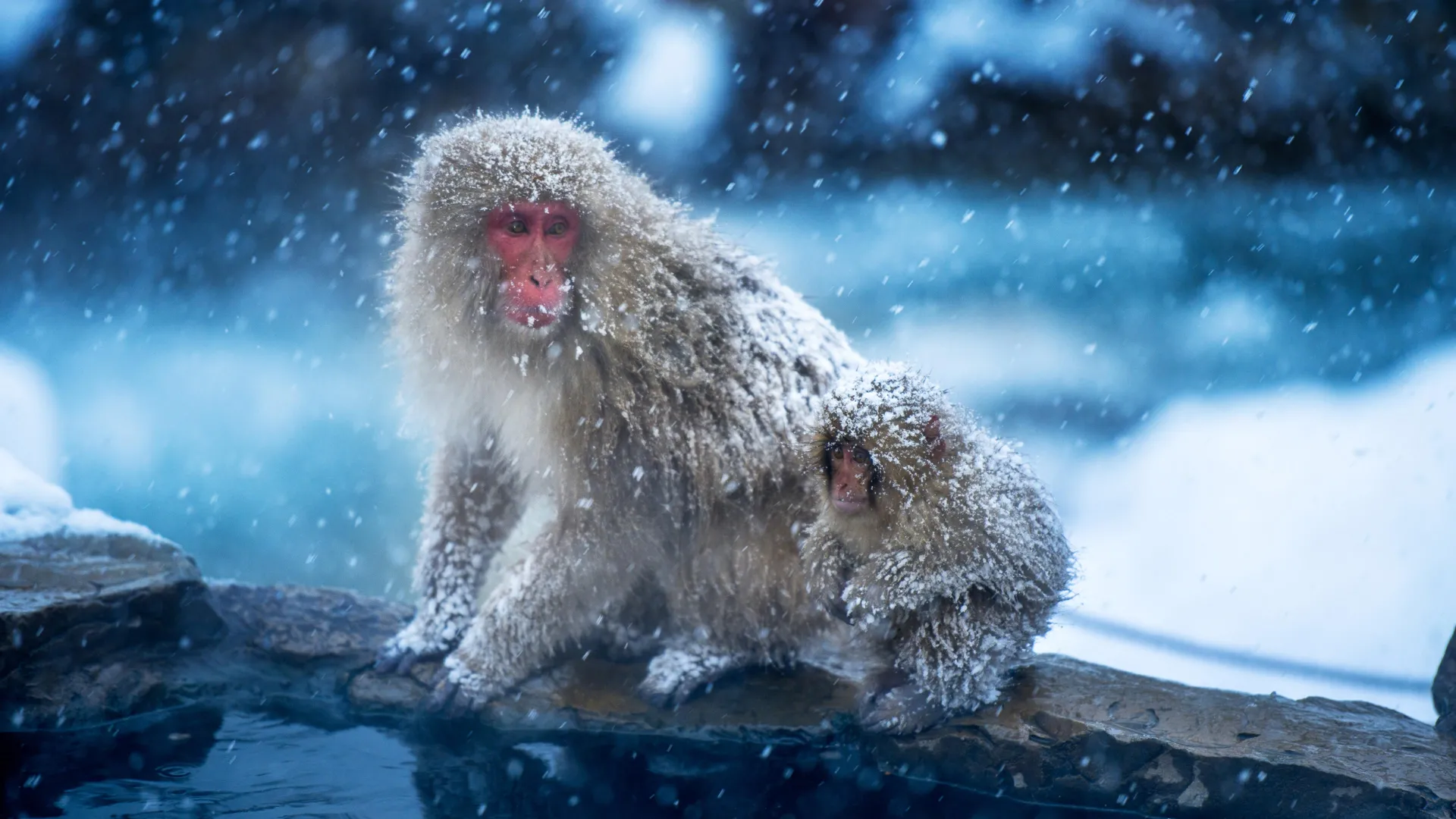
A surprising new study suggests the earliest primates didn't originate in tropical forests but in cold, dry parts of Nor…

Genes are not passed on exclusively from parents to their offspring. Some are mobile and can also jump to other species,…