Finding the cells that put our brain to sleep
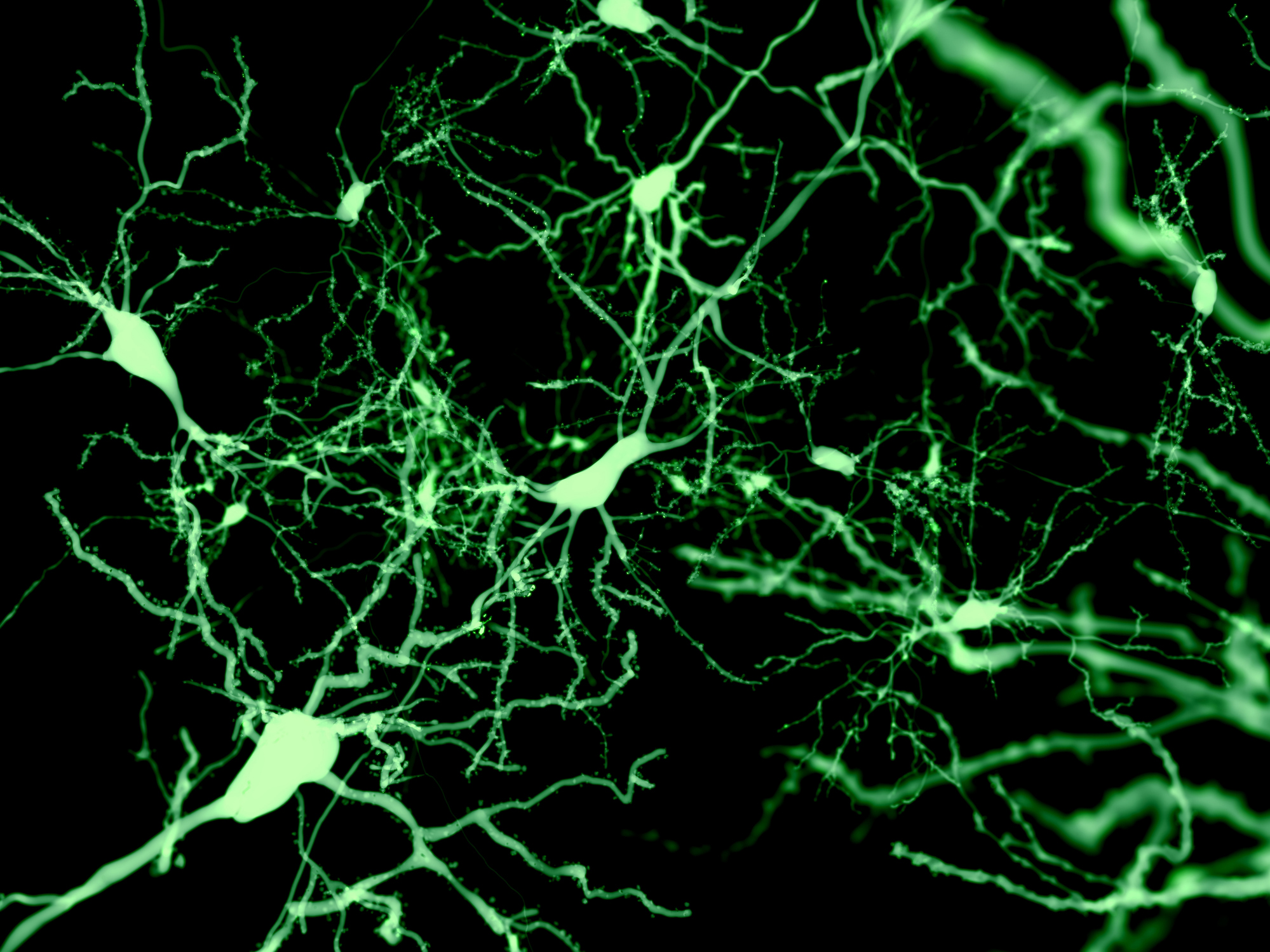
For a long time, sleep research has treated the cerebral cortex as a passive follower reacting to signals from the deep brain. “Usually, sleep is associated with being controlled by subcortical regions,” said Geoffrey Terral, a neuroscientist at the Albert Einstein College of Medicine in New York. The cortex is where the slow rhythms of deep sleep can be seen, but researchers assumed the signals that triggered them originated elsewhere. In a recent Nature study, Terral and Renata Batista-Brito,
The science section covers breakthroughs in medicine, physics, biology, and technology. We surface discoveries that expand what humanity can do, from new treatments reaching clinical trials to engineering feats that seemed impossible a decade ago. Every link goes to the original publisher so you can read the full study or press release yourself.
If today's breakthrough story sparked something, a live 1-on-1 tutor can take you from curious to competent. First lesson guaranteed or your money back.
Try Preply free →Episode Description: Most world maps show Greenland and Africa as roughly the same size… which is kind of unbelievable c…

BY THE OPTIMIST DAILY EDITORIAL TEAM The lettuce in REWE’s Lankwitz store in Berlin has had a short morning. Grown on th…

Credit: NASA The Republic of Albania will sign the Artemis Accords during a ceremony at 12 p.m. EDT on Monday, Sept. 21,…

5 min read NASA-JAXA XRISM Mission Sees Pulsar Gathering Companion’s ‘Wind’ Using data from the Japan-led XRISM (X-ray I…
Most news feeds won't give you another one. Our morning letter will: one email at sunrise with the day's best good news.
Start tomorrow morning →