Despite All the Likes, Literallys, and Dropped G’s, English Isn’t Decaying Before Our Eyes

This article was written by Valerie M. Fridland, a professor of linguistics at the University of Nevada, Reno, for The Conversation - a nonprofit news organization dedicated to sharing the knowledge of researchers and scientists, under a Creative Commons license. Read the original article here. As a linguistics professor, I’m often asked why English is decaying before our eyes, whether it’s “like” being used promiscuously, t’s being dropped deleteriously, or “literally” being deployed nonliteral
The kindness section highlights people helping people: strangers stepping in during emergencies, communities rallying around neighbors, small acts that ripple outward. These are not performative charity stories; they are moments where someone chose to act when they did not have to.
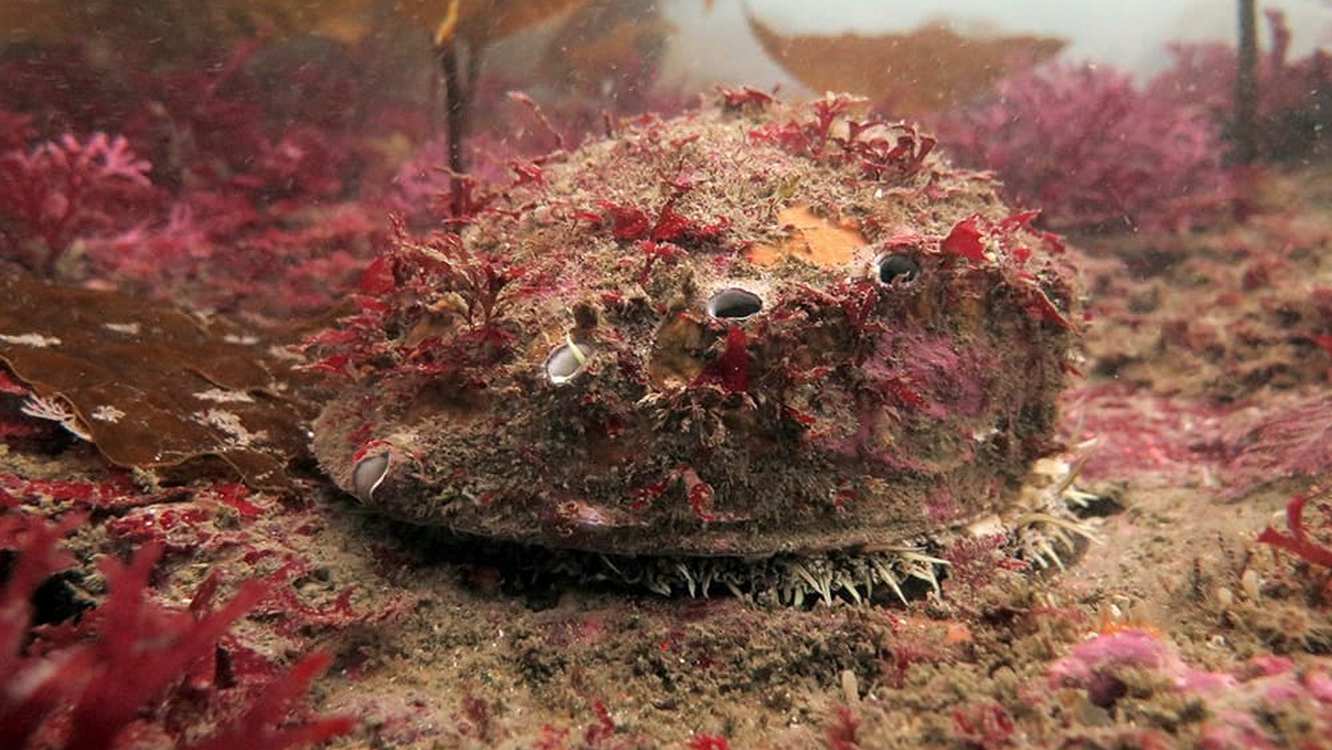
This rather charismatic mollusk is the white abalone, a Critically-Endangered species of sea snail that’s Wanted: Alive …
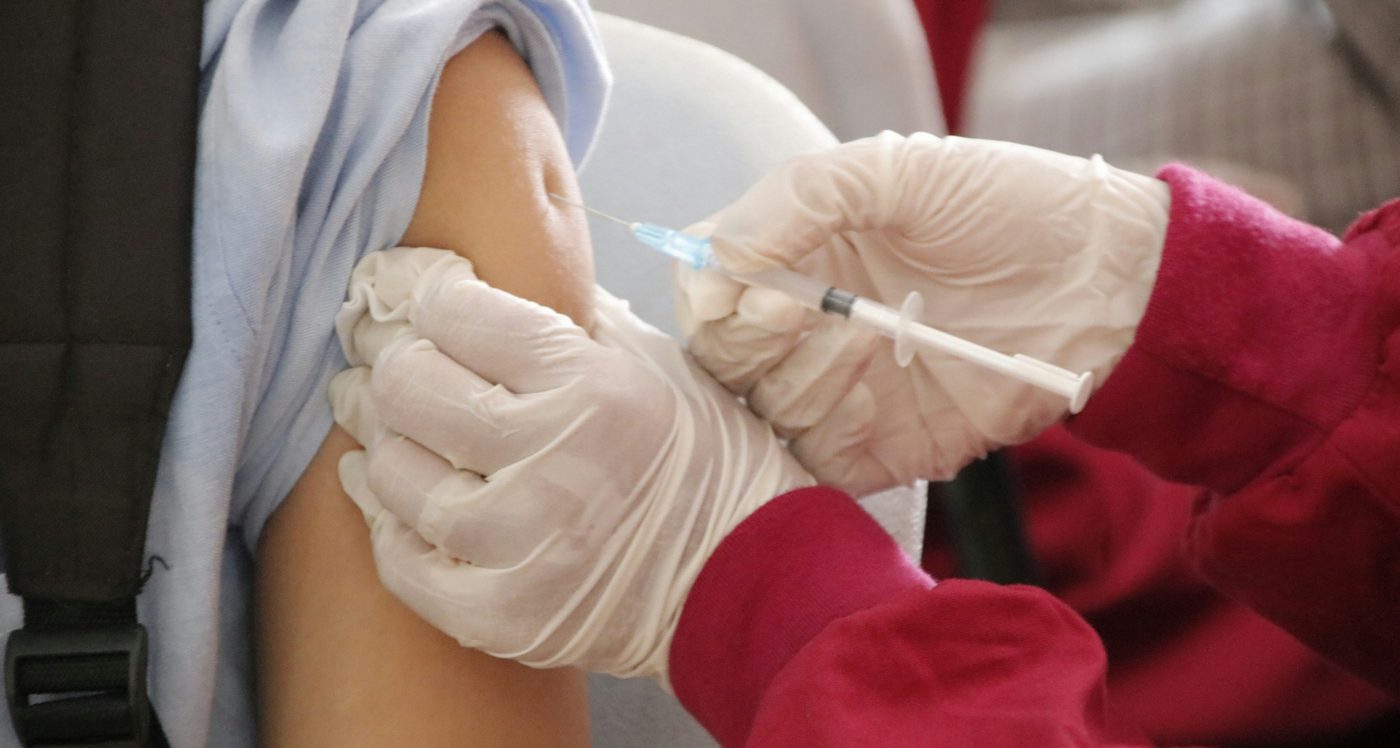
A 2-stage trial testing a new and acclaimed HIV-prevention drug has shown almost unthinkable results of no new infection…

Seeking to preen and pamper its beaches ahead of the 2028 Summer Olympics, authorities in 2 Los Angeles districts needed…

On this day 111 years ago, the musician and innovator Les Paul was born in Waukesha, Wisconsin. A natural engineer and p…