Deep learning reveals nanoparticle shape from routine tracking analysis without new hardware

Researchers at the University of Tokyo and the Innovation Center of NanoMedicine (iCONM) have developed an artificial intelligence (AI) approach that identifies the morphology of nanoparticles in liquid using data from standard nanoparticle tracking analysis (NTA), a widely used technique for particle sizing. The method achieved classification accuracies exceeding 80% for non-spherical nanoparticles without requiring modification of existing instruments.
The tech section covers stories about technology making life better, not just more profitable. Open-source tools reaching new audiences, accessibility breakthroughs, AI applications in healthcare and education, infrastructure improvements that quietly make cities work better. Product launches and funding rounds are excluded unless they deliver tangible public benefit.
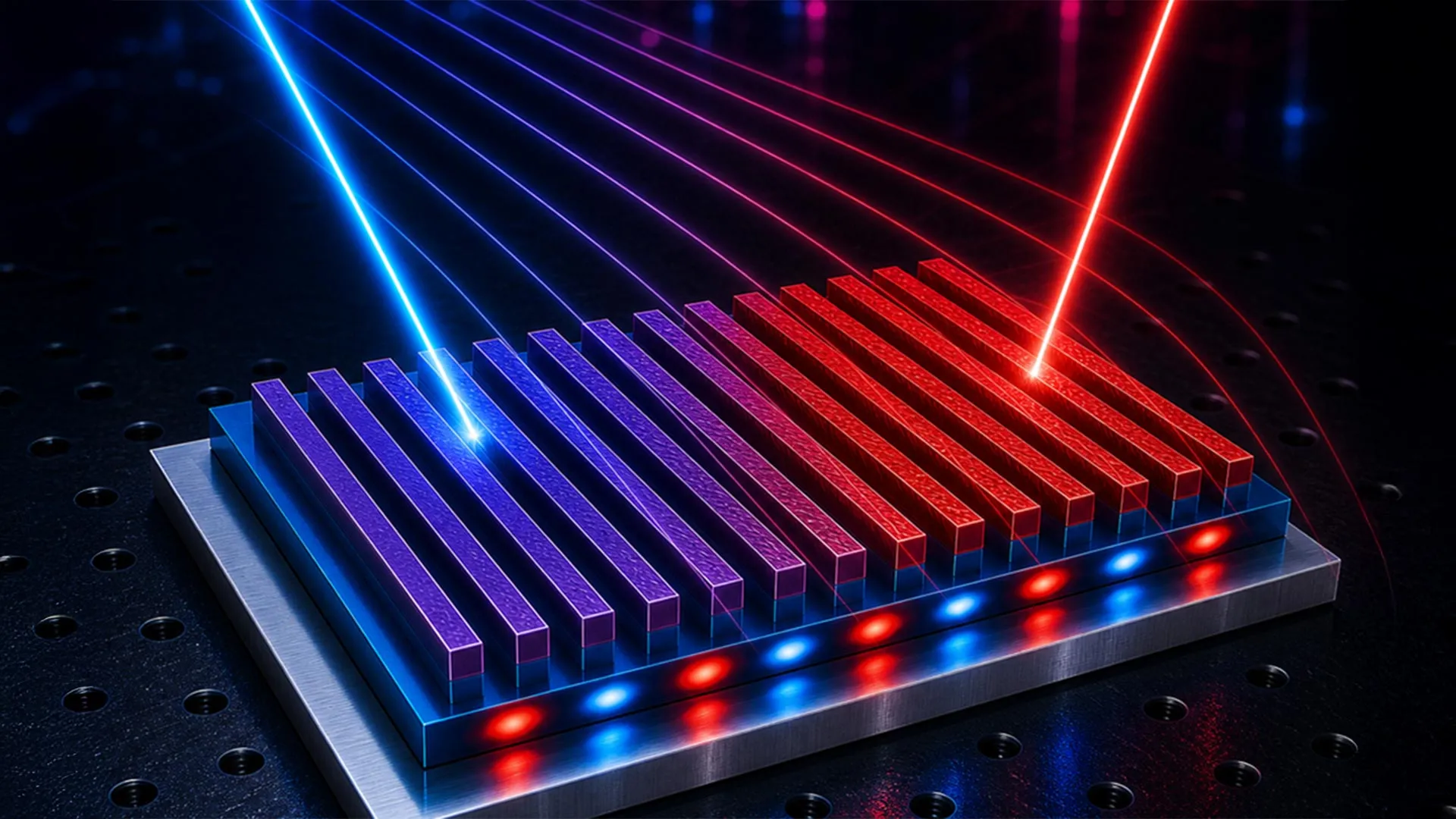
A newly developed material can control and "program" heat, allowing it to direct thermal radiation, switch modes, and re…

Scientists have combined machine learning with quantum physics to discover two new superconductors and create a much fas…

Following its longest hibernation period ever of nearly a year, NASA's New Horizons spacecraft has emerged in good healt…

Computers have made it easier than ever before to design the perfect material for a given problem: Scientists can create…