Cutting out the noise: How horseshoe bats adapt their echolocation behavior in colonies

Imagine searching for a gemstone in a dark cave: You use a flashlight, looking for a rainbow-colored glint in the darkness. Now, imagine 10 other people in the cave with you, using different-colored flashlights at the same time. Suddenly, you can no longer tell which light is coming from your gemstone, which light is from another flashlight or which light is coming from a reflection off another unknown object. That is what echolocation with multiple, overlapping frequencies would be like. But no
Animal stories cover species recovery, rescue operations, conservation milestones, and the moments where humans and animals connect in unexpected ways. We are particularly interested in population recoveries for endangered species, successful rewilding programs, and veterinary breakthroughs.
Letters: Black-crowned night herons continue to make Chicago home Chicago Tribune
In 1976, a scientist began dancing like a crane every day; the chick it helped produce became an ancestor The Economic T…
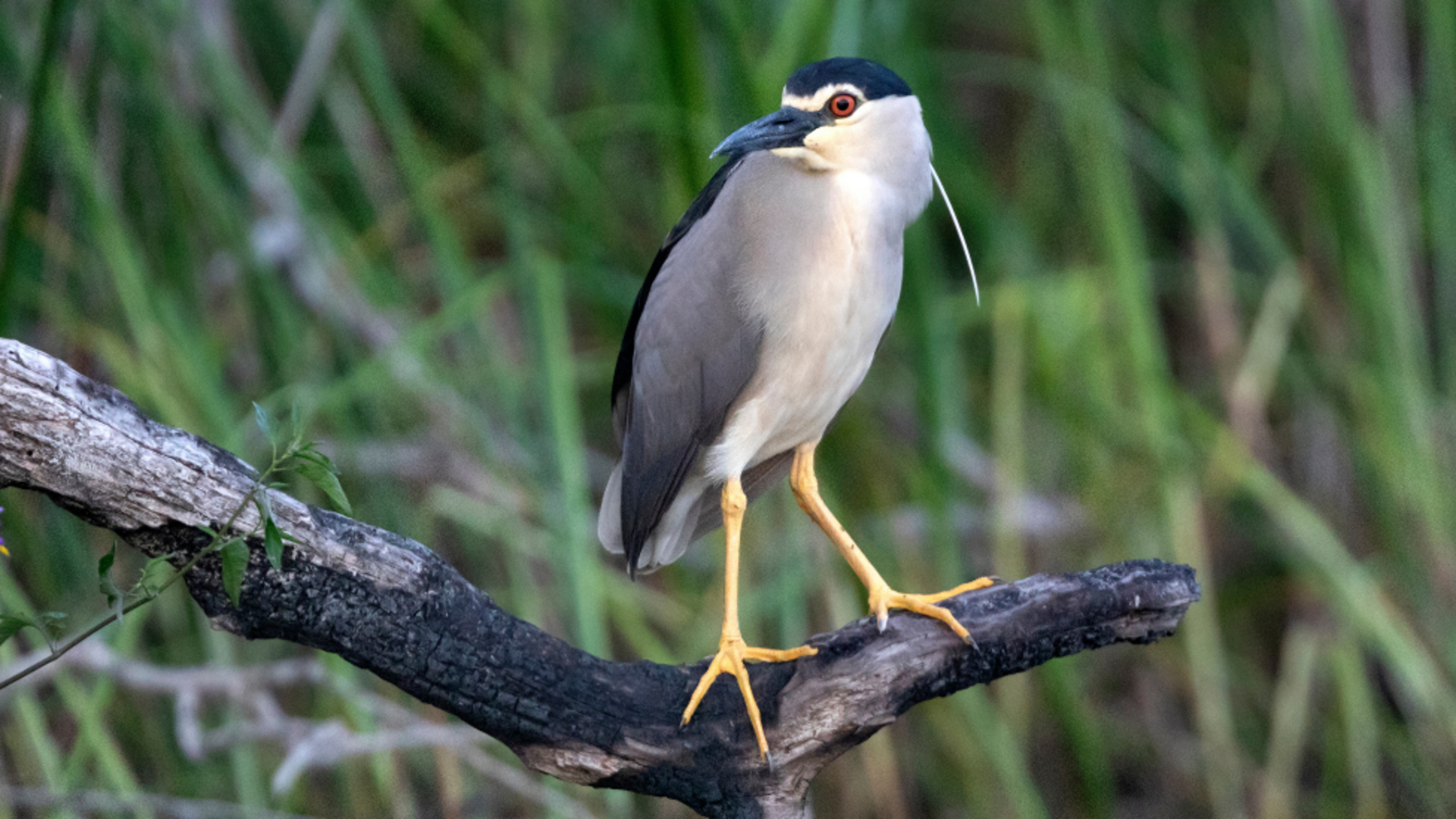
The small bird, which is widespread across Africa, Asia, the Americas and Europe, is seen on camera.
Piping plover rebirth part of statewide effort Altoona Mirror