Creating the largest-ever database on floating ocean plastic using smart cameras

The first five years (2019-2024) of operations of The Ocean Cleanup's Automated Debris Imaging System (ADIS) have been reviewed, and the findings have been published in Environmental Research Communications. In addition to reviewing the technology's performance, the study covers the initial 14,500 km2 of global ocean surface scanned for plastic debris and the more than 20,000 large floating objects it helped identify.
The science section covers breakthroughs in medicine, physics, biology, and technology. We surface discoveries that expand what humanity can do, from new treatments reaching clinical trials to engineering feats that seemed impossible a decade ago. Every link goes to the original publisher so you can read the full study or press release yourself.

BY THE OPTIMIST DAILY EDITORIAL TEAM A brush swab of the mouth. Four genes. Results in under an hour. Researchers from Q…

BY THE OPTIMIST DAILY EDITORIAL TEAM Most people treat happiness as something that arrives when conditions are right. Th…

Earth Observatory Science Earth Observatory Olympic Mountain Glory Earth Earth Observatory Image of the Day EO Explorer …
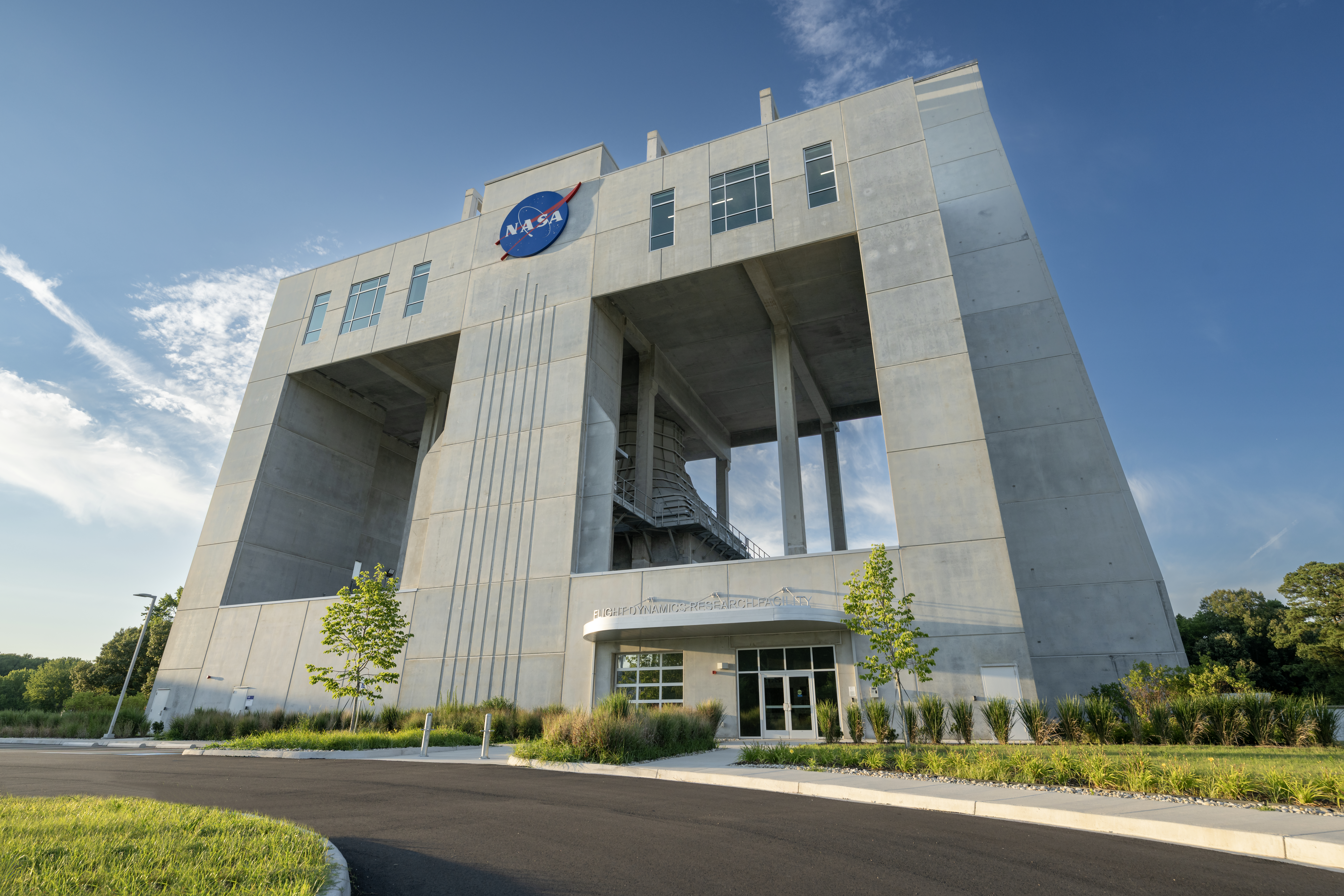
The Flight Dynamics Research Facility, located at NASA’s Langley Research Center in Hampton, Virginia, is the agency’s f…