Canary Island relics offer new clues into how North African cultures adapted to ocean living

Archaeological evidence from the Canary Islands suggests that by the 11th century, people there were harvesting and processing a variety of fish and other marine organisms-indicating that coastal resources may have played a vital role in the economic system, according to a study published in PLOS One by Jonathan Santana of the University of Las Palmas de Gran Canaria in Spain, and colleagues.
The science section covers breakthroughs in medicine, physics, biology, and technology. We surface discoveries that expand what humanity can do, from new treatments reaching clinical trials to engineering feats that seemed impossible a decade ago. Every link goes to the original publisher so you can read the full study or press release yourself.
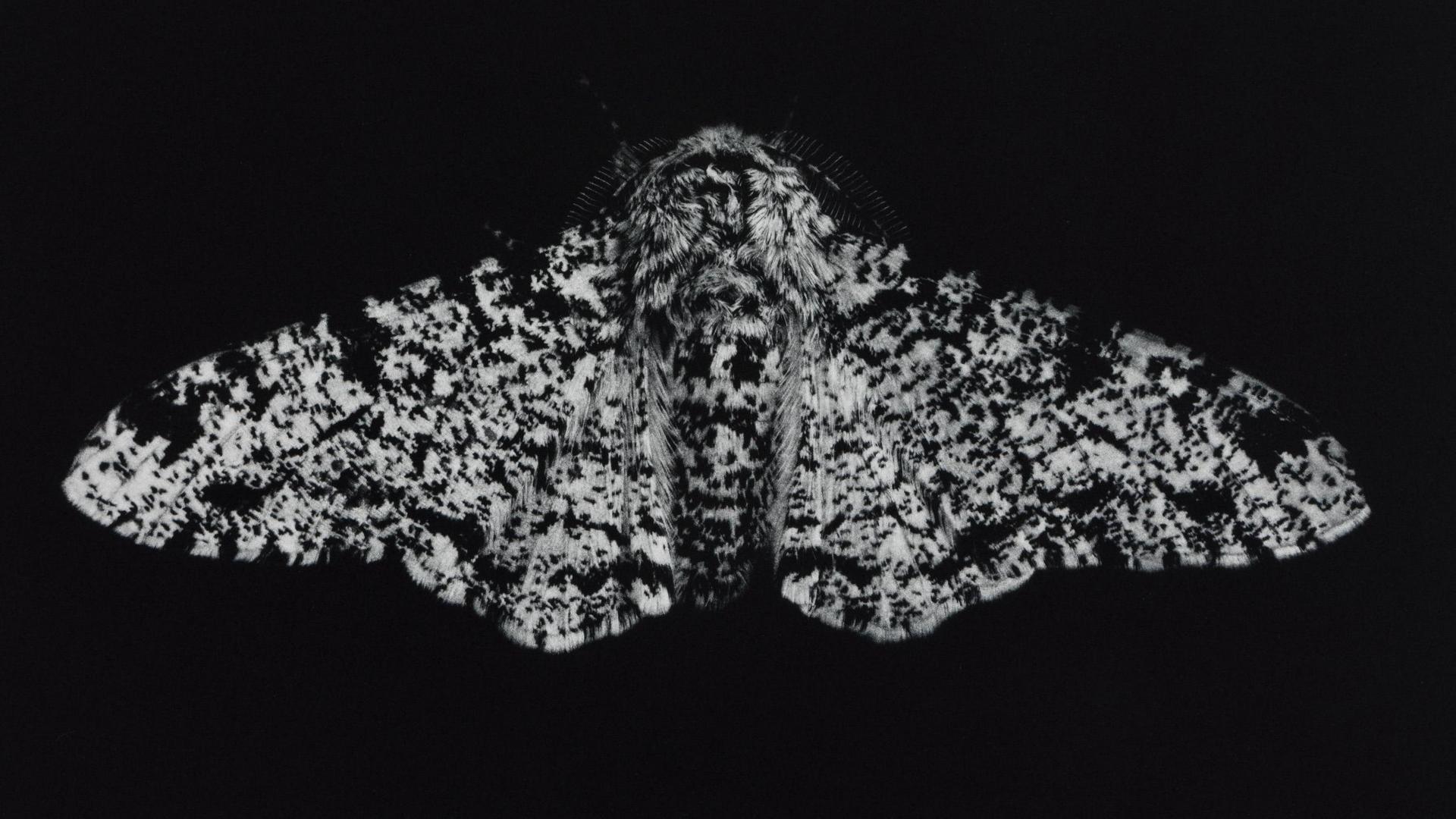
An exhibition examining how moths adapt to environmental changes has opened in Kestle Barton.
Scientists have discovered that a gene normally considered a DNA-protecting "good guy" can become dangerous when cells m…

A surprising new study suggests the earliest primates didn't originate in tropical forests but in cold, dry parts of Nor…

Genes are not passed on exclusively from parents to their offspring. Some are mobile and can also jump to other species,…