Cambridge scientists create a $10 chip that could put a medical lab on your wrist
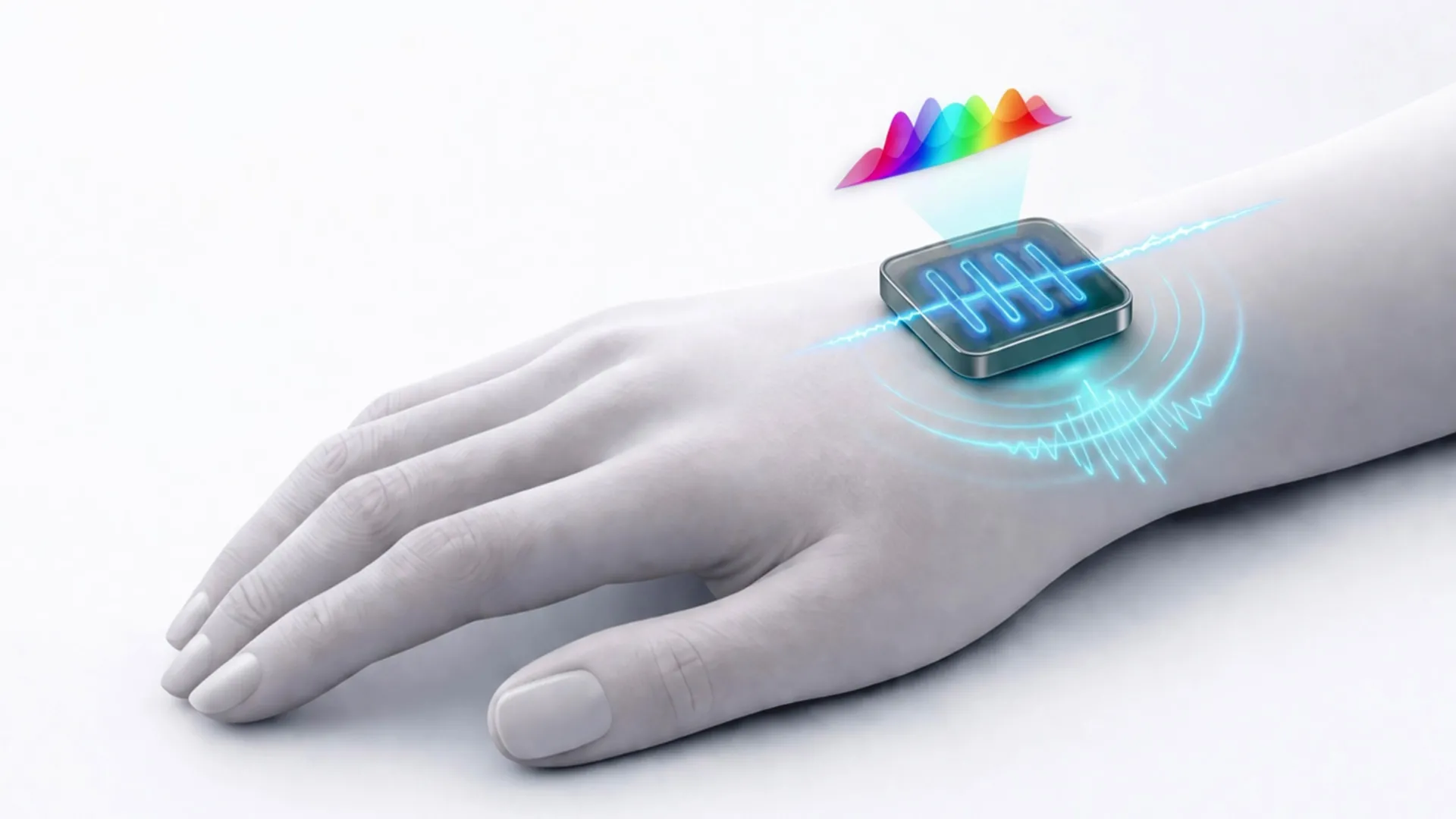
Cambridge researchers have developed a small, affordable optical sensor that can accurately identify various substances. The device has already shown promise in testing with perfect accuracy for detecting certain substances and monitoring health markers like blood glucose. It is also compact enough to be integrated into wearable technology.
Why it's good news: This breakthrough could make it possible for people to monitor their health easily and conveniently, without needing to visit a lab or undergo invasive procedures.
The tech section covers stories about technology making life better, not just more profitable. Open-source tools reaching new audiences, accessibility breakthroughs, AI applications in healthcare and education, infrastructure improvements that quietly make cities work better. Product launches and funding rounds are excluded unless they deliver tangible public benefit.
Good news deserves a clean reading experience. AdGuard blocks ads, trackers, and malware across all your devices so you can focus on what matters.
Try AdGuard →
The Aged Intelligence Society is a growing startup that hosts events for women to learn about AI and its applications. T…

A new AI biology model from Hugging Face allows people to communicate with DNA, which could aid in understanding genetic…

Scientists are exploring how animals communicate with each other to gain insight into their thoughts and behaviors. This…
Most news feeds won't give you another one. Our morning letter will: one email at sunrise with the day's best good news.
Start tomorrow morning →