Bacteria form 'herds' to survive predators, offering fresh insight into Earth's carbon cycle

Researchers at Queen Mary University of London have discovered that tiny photosynthetic bacteria band together into protective "herds" when attacked by predators-a survival strategy that could also influence how carbon is stored in the world's waters.
The science section covers breakthroughs in medicine, physics, biology, and technology. We surface discoveries that expand what humanity can do, from new treatments reaching clinical trials to engineering feats that seemed impossible a decade ago. Every link goes to the original publisher so you can read the full study or press release yourself.
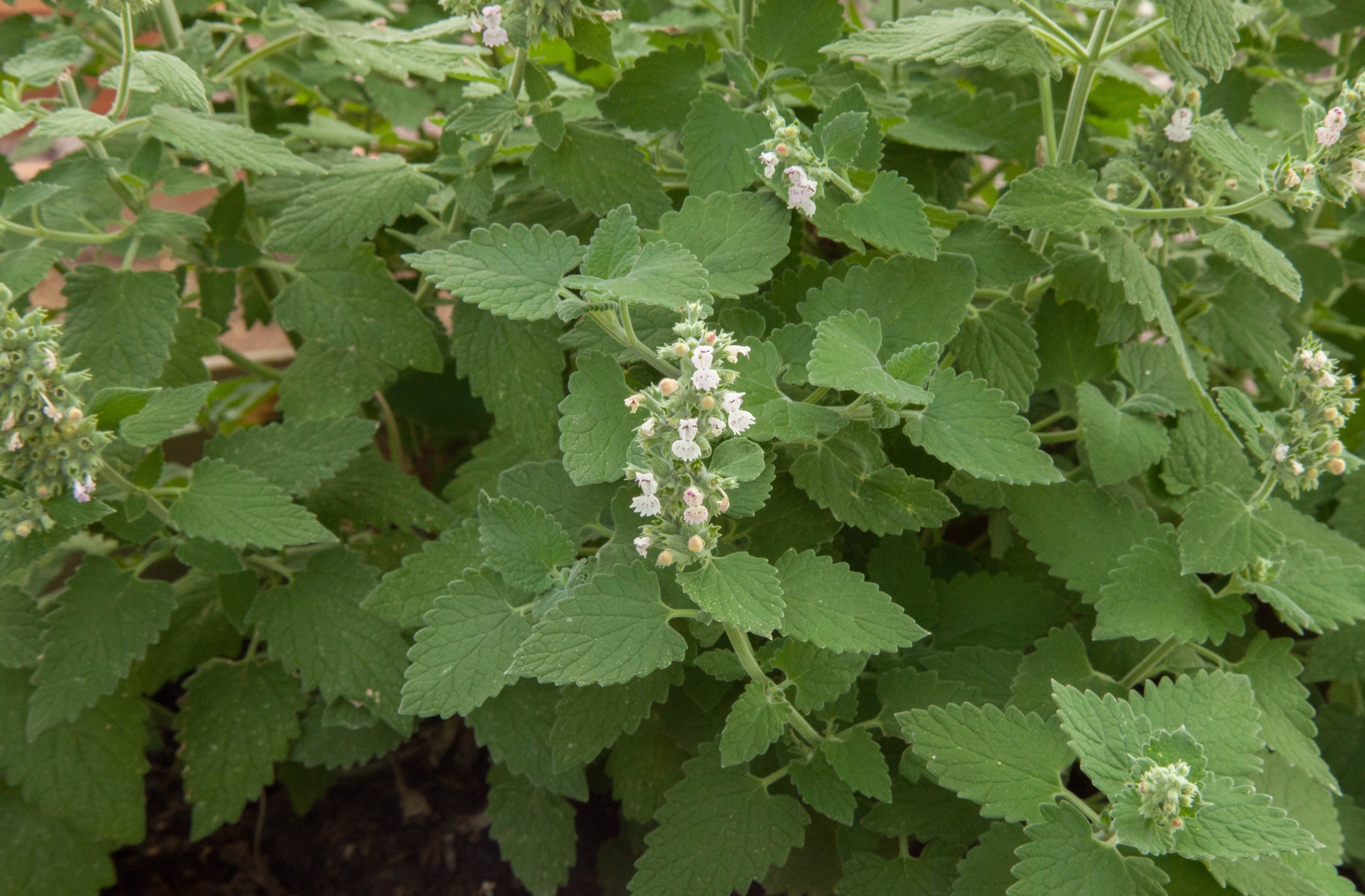
BY THE OPTIMIST DAILY EDITORIAL TEAM A lotion made from catnip oil matched DEET in field trials in Uganda, according to …

BY THE OPTIMIST DAILY EDITORIAL TEAM In 2025, researchers publishing in Nature Medicine found microplastics in human bra…

Earth Observatory Science Earth Observatory A Tide-Fueled Trove of… Earth Earth Observatory Image of the Day EO Explorer…

Serbia’s Minister of Foreign Affairs Marko Đurić, right, shakes hands with NASA Deputy Administrator Matt Anderson, left…