AI helps Stanford scientists discover a “natural Ozempic” with a surprising advantage

Stanford scientists have used artificial intelligence to identify a natural compound that can reduce appetite and promote fat loss in animals. This molecule, called BRP, has been found to suppress food intake by up to 50% without causing significant muscle loss or digestive side effects like some current treatments.
Why it's good news: It offers potential hope for a more effective and safer weight-loss treatment.
The science section covers breakthroughs in medicine, physics, biology, and technology. We surface discoveries that expand what humanity can do, from new treatments reaching clinical trials to engineering feats that seemed impossible a decade ago. Every link goes to the original publisher so you can read the full study or press release yourself.
If today's breakthrough story sparked something, a live 1-on-1 tutor can take you from curious to competent. First lesson guaranteed or your money back.
Try Preply free →More Science & Breakthroughs stories
Many household items can be cleaned with toothpaste, including surfaces that are hard to reach or require gentle scrubbi…

NASA has introduced a new aircraft called the X-70 Fractal which will be used for flight research. It is designed to tes…
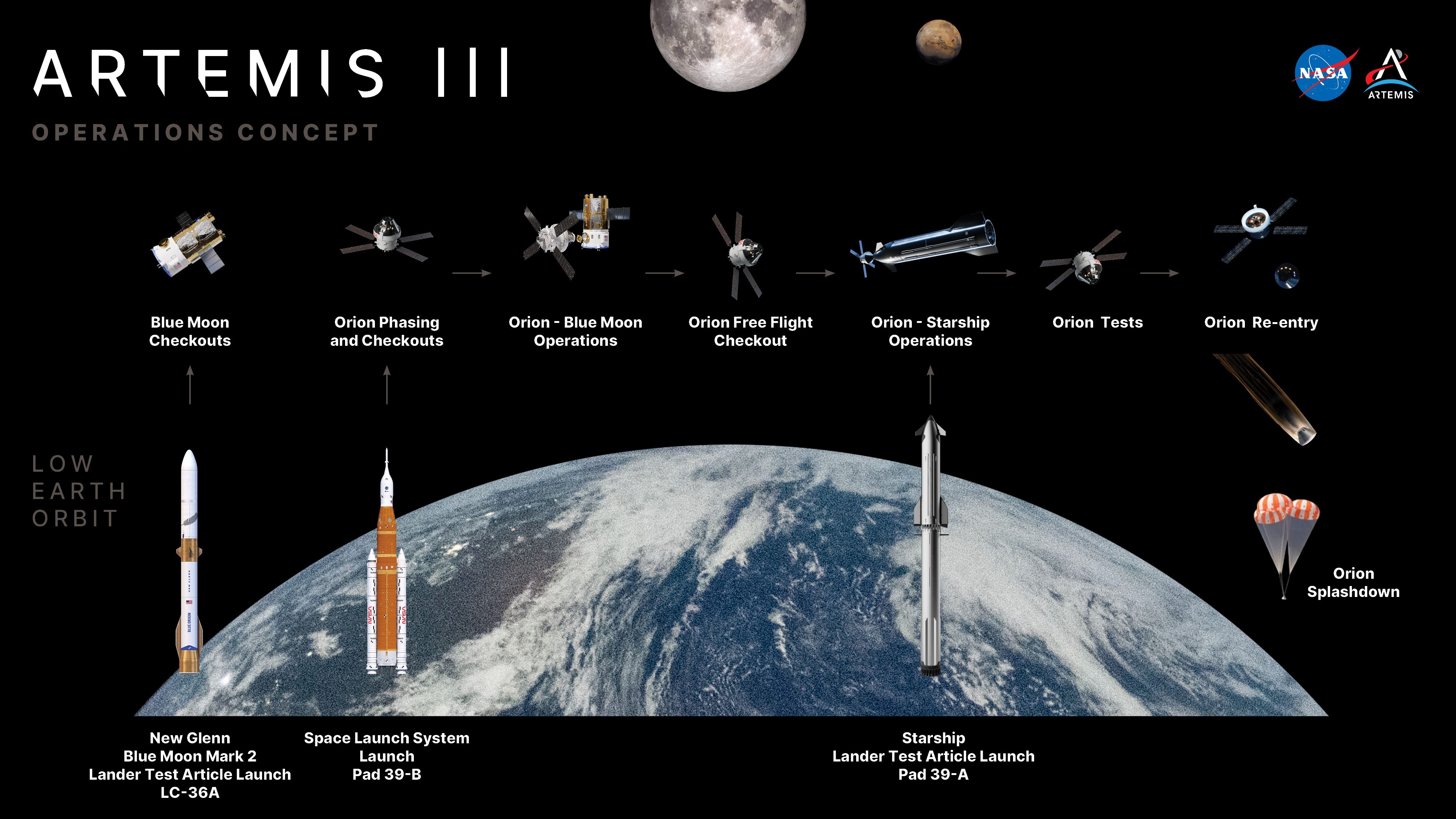
NASA has accelerated its plans to return humans to the moon by several years, with a goal of reaching the lunar surface …

NASA has chosen three companies to develop Ka-band satellite relay concepts for current spacecraft, ensuring continued s…
Most news feeds won't give you another one. Our morning letter will: one email at sunrise with the day's best good news.
Start tomorrow morning →