A surprising brain discovery is forcing scientists to rethink movement disorders
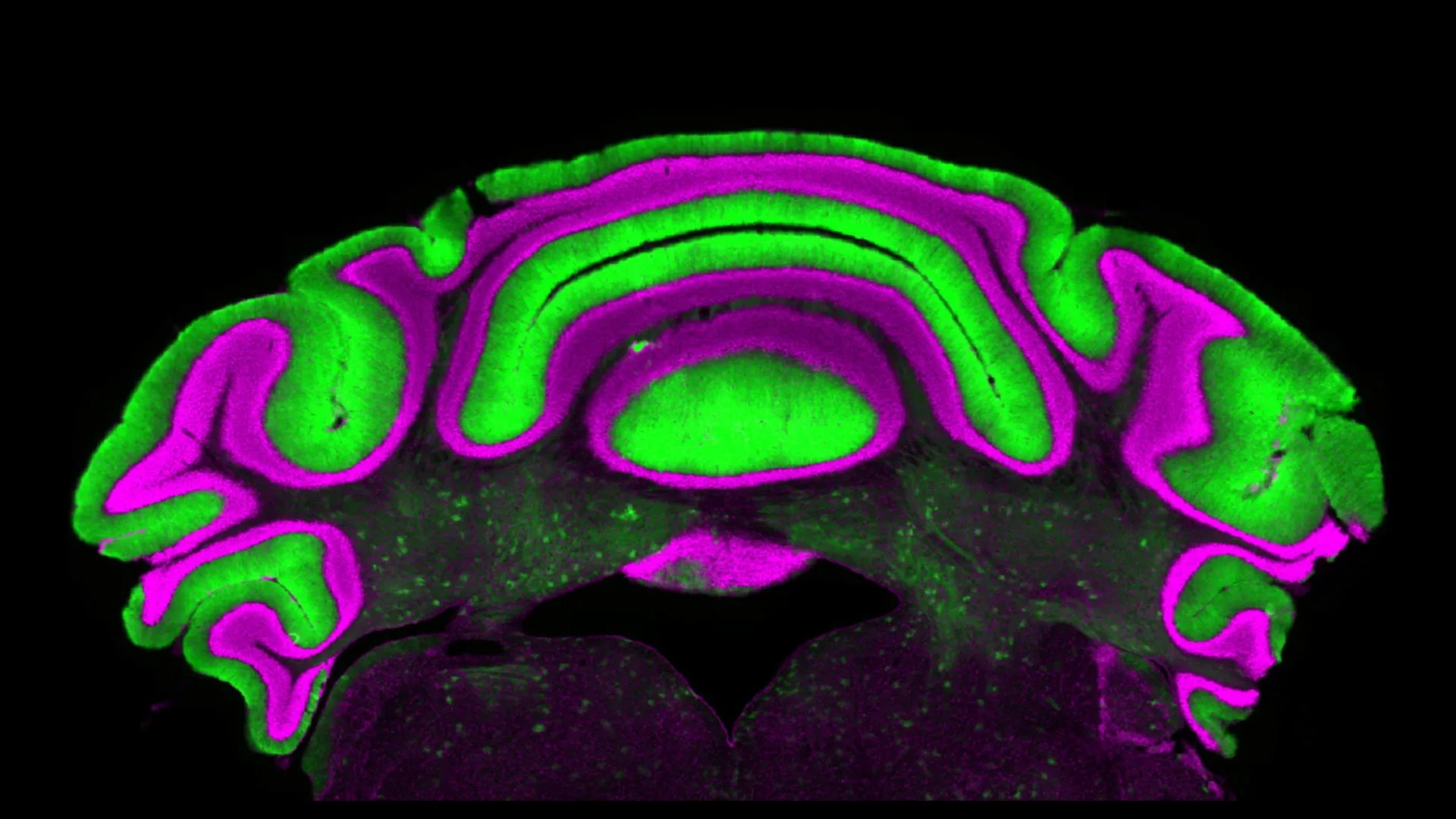
A surprising discovery is overturning a long-held assumption about how the brain’s movement center works. Researchers found that two key cerebellar cell types-thought to be tightly linked-often don’t behave in predictable ways, even though one directly influences the other. The finding suggests scientists may have been relying on the wrong signals when studying disorders such as dystonia, ataxia, and tremor.
The science section covers breakthroughs in medicine, physics, biology, and technology. We surface discoveries that expand what humanity can do, from new treatments reaching clinical trials to engineering feats that seemed impossible a decade ago. Every link goes to the original publisher so you can read the full study or press release yourself.

BY THE OPTIMIST DAILY EDITORIAL TEAM More than 1,300 people die from extreme heat in the United States each year. The ev…

BY THE OPTIMIST DAILY EDITORIAL TEAM A Stanford Medicine study has identified a protein that roughly doubles in aging jo…

Skywatching Skywatching Home What’s Up Meteor Showers Eclipses Daily Moon Guide More Tips & Guides Skywatching FAQ Night…

5 min read NASA’s Chandra Examines Milky Way at Arms’ Length To view this video please enable JavaScript, and consider u…