A grad student’s wild idea sparks a major aging breakthrough
A casual conversation between graduate students helped spark a breakthrough in aging research at Mayo Clinic. Researchers discovered that tiny synthetic DNA molecules called aptamers can selectively attach to senescent “zombie cells,” which are linked to aging, cancer, and neurodegenerative disease. The method could eventually help scientists identify and target these cells in living tissue with far greater precision.
The science section covers breakthroughs in medicine, physics, biology, and technology. We surface discoveries that expand what humanity can do, from new treatments reaching clinical trials to engineering feats that seemed impossible a decade ago. Every link goes to the original publisher so you can read the full study or press release yourself.

BY THE OPTIMIST DAILY EDITORIAL TEAM Letting your lawn grow wild in May to help bees and other pollinators? That’s the p…
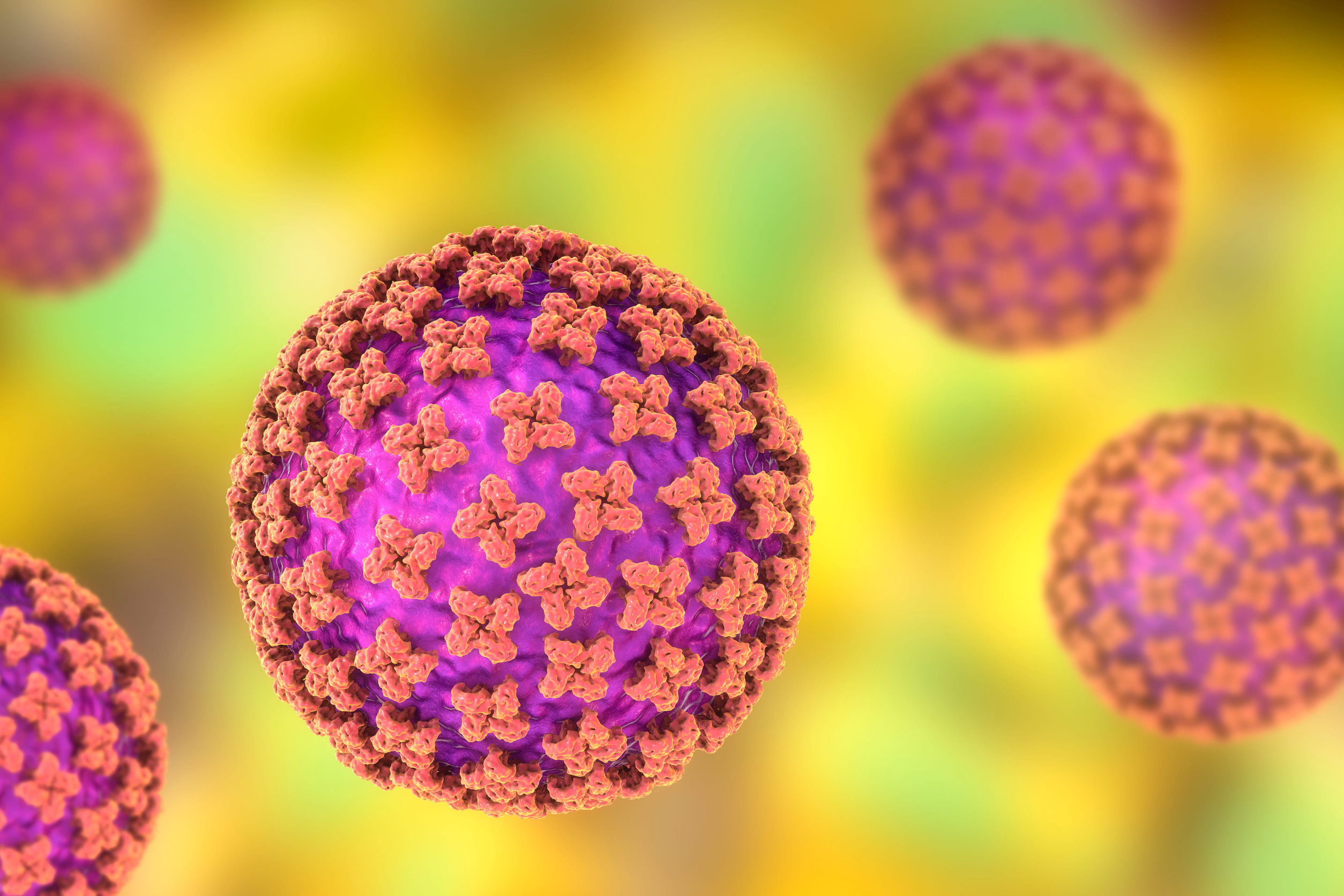
BY THE OPTIMIST DAILY EDITORIAL TEAM When a cluster of hantavirus cases emerged aboard the M.V. Hondius, a Dutch polar e…

The SpaceX Falcon 9 rocket, carrying the Dragon cargo spacecraft atop, launched Friday, May 15, 2026, from Space Launch …

NASA/JPL-Caltech/MSSS After NASA’s Curiosity Mars rover drilled a sample from this rock on April 25, 2026, it withdrew i…